Does sencha tea have caffeine?
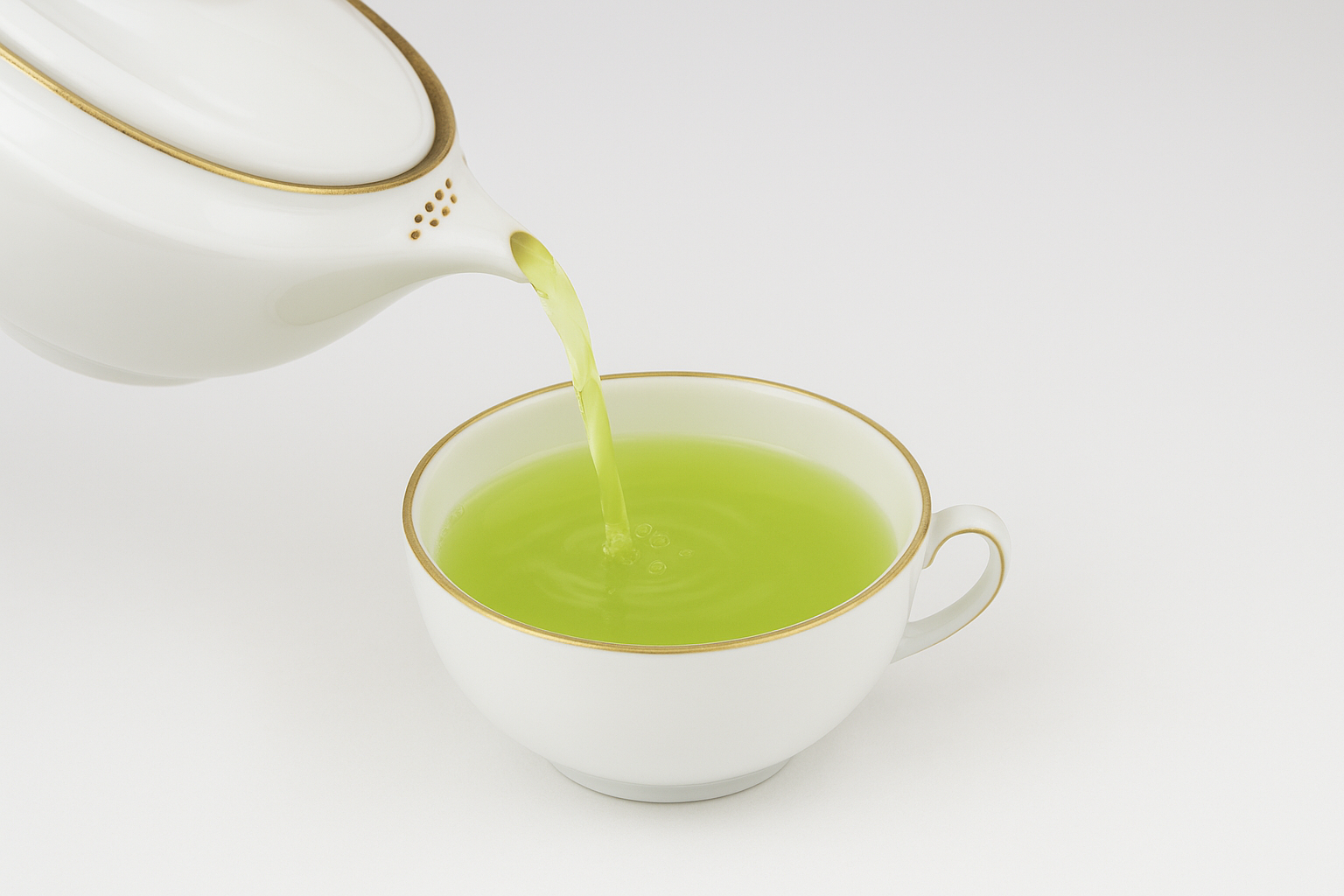
Does Sencha Have Caffeine?
Note: The short answer is yes. Sencha tea contains moderate levels of caffeine, making it an energizing yet balanced choice for daily green tea consumption.
If you're looking for a refreshing green tea with a clean, grassy flavor and a gentle energy boost, sencha is Japan's most popular choice. This steamed green tea offers a bright, vegetal taste and moderate caffeine content — but how does it actually compare to other Japanese teas? Let's break it down.
What is Sencha?
So what is sencha? Sencha green tea is Japan's most widely consumed green tea, accounting for about 80% of the country's tea production. The leaves are steamed immediately after harvesting to prevent oxidation, then rolled and dried to create their distinctive needle-like shape.
Unlike shade-grown teas like gyokuro or matcha, sencha is typically grown in full sunlight, which influences both its flavor profile and caffeine content. The result is a vibrant, refreshing tea with a balance of sweetness, umami, and a pleasant astringency that makes it perfect for everyday drinking.
Sencha tea comes in various grades depending on the harvest timing and leaf quality, with first flush (spring harvest) sencha being the most prized for its delicate sweetness and refined flavor.
How Much Caffeine is in Sencha?
Interesting fact! All true teas contain caffeine because it's naturally produced in the tea plant as a defense mechanism. Sencha sits in the moderate range for caffeine compared to other green teas:
Average caffeine content: ~30–50 mg per cup
Comparison: This is roughly double the caffeine of genmaicha or hojicha, but less than matcha or gyokuro.
The reason? Several key factors:
Leaf age: Sencha uses younger, tender leaves from the first and second harvests, which naturally contain more caffeine than older leaves used in bancha or genmaicha.
Sun exposure: Growing in full sunlight increases the tea plant's caffeine production as a natural protective mechanism.
Processing method: Steaming preserves more of the natural caffeine content compared to roasting methods used for hojicha.
This makes sencha ideal for morning or midday drinking when you want a moderate energy boost without the intensity of matcha or coffee.
Brewing Methods and Caffeine
The caffeine in sencha is influenced by water temperature, steeping time, and brewing method.
Pro Tip: Cold brew offers slower extraction and therefore reduces caffeine slightly, producing a sweeter, smoother cup. However, it will not remove caffeine entirely.
Hot brew (brewing at 70–80 degrees Celsius) typically yields 30–50 mg of caffeine and brings out sencha's signature bright, grassy flavor.
Higher temperatures (above 80°C) will extract more caffeine and create a more astringent cup, while lower temperatures (60–70°C) produce a sweeter, gentler infusion with slightly less caffeine.
Caffeine: Kabuse Sencha vs Regular Sencha vs Matcha
| Tea | Typical Caffeine per Cup | Notes |
|---|---|---|
| Regular Sencha | 30–50 mg | Moderate caffeine; balanced daily tea |
| Kabuse Sencha | 40–60 mg | Higher caffeine due to partial shading; richer umami |
| Matcha | 60–70 mg | Highest caffeine; strong, sustained energy boost |
| Gyokuro | 120–140 mg | Very high caffeine from extensive shading |
P.S. Looking for premium kabuse sencha or ceremonial matcha? We've got you covered!
Choosing Between Sencha Varieties Based on Caffeine
If you're considering different sencha options, here's how they compare:
Regular Sencha: Moderate caffeine (30–50 mg), grown in full sunlight. This is your classic everyday green tea with a bright, refreshing character. Perfect for those who want balanced energy without excessive stimulation.
Kabuse Sencha: Higher caffeine (40–60 mg), shade-grown for 7–10 days before harvest. The brief shading increases chlorophyll and caffeine content while boosting umami flavor and sweetness. A step up in both taste complexity and energy.
Matcha: High caffeine (60–70 mg), shade-grown for 20–30 days and consumed as a powder. Since you're drinking the entire leaf, you get maximum caffeine and antioxidants. Ideal for a morning ritual or when you need focused energy, but may be too stimulating for sensitive drinkers.
Tip: If you enjoy sencha's flavor but want to reduce caffeine, try brewing at lower temperatures (60–70°C) or switching to afternoon-friendly options like genmaicha or hojicha.
How Sencha Compares to Other Teas
Genmaicha: Low caffeine (15–30 mg), blended with roasted rice. The rice dilutes the tea concentration, making it much gentler than sencha. Perfect for evenings or those sensitive to caffeine, with a comforting nutty flavor.
Hojicha: Low caffeine (7–20 mg), roasted at high temperatures. The roasting process reduces caffeine content significantly while creating a warm, caramelized flavor. Another excellent evening-friendly option with a completely different taste profile from sencha.
Gyokuro: Very high caffeine (120–140 mg), extensively shade-grown. This premium tea offers intense umami and sweetness but packs a serious caffeine punch — even more than matcha per serving.
Bancha: Lower caffeine (10–25 mg), made from later harvest or older leaves. A more economical option with milder flavor and less stimulation than sencha.
Sencha strikes a beautiful balance in the middle — more energizing than roasted or blended teas, but gentler than heavily shaded varieties or matcha.
Final Takeaway
Sencha is Japan's quintessential green tea, offering:
Moderate caffeine content for balanced daily energy
Bright, refreshing flavor with grassy, vegetal notes
Rich in antioxidants and catechins for health benefits
Versatile brewing options to suit your taste and caffeine preferences
If you want a classic Japanese green tea with moderate caffeine and vibrant flavor, sencha is the perfect choice — and if you want to explore variations, kabuse sencha offers enhanced umami and slightly higher caffeine, while regular sencha remains the reliable everyday favorite.
Want to understand more about how sencha compares to other Japanese teas? Explore our collection of premium loose leaf sencha and discover the difference quality makes.