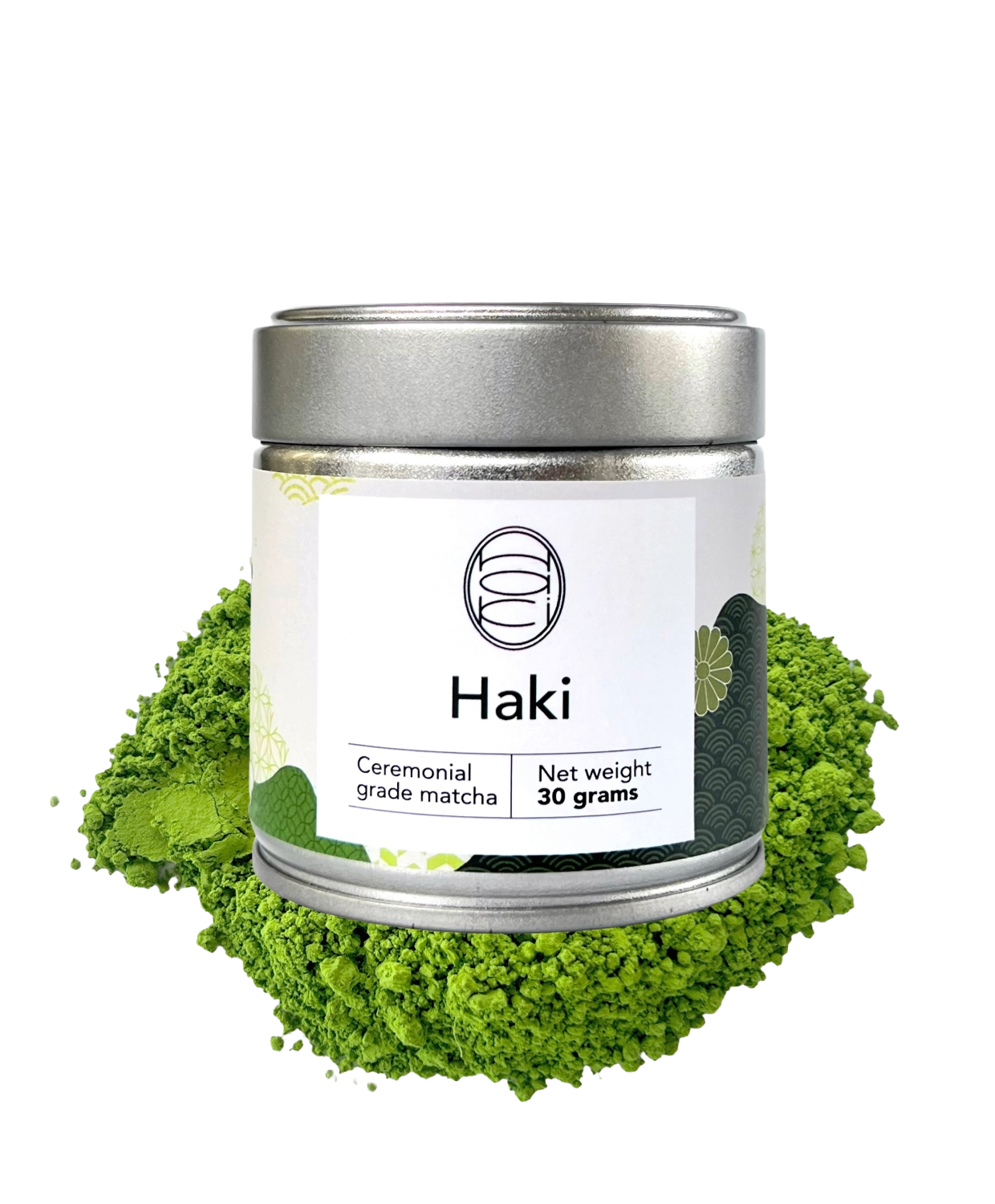
 Image 1 of 4
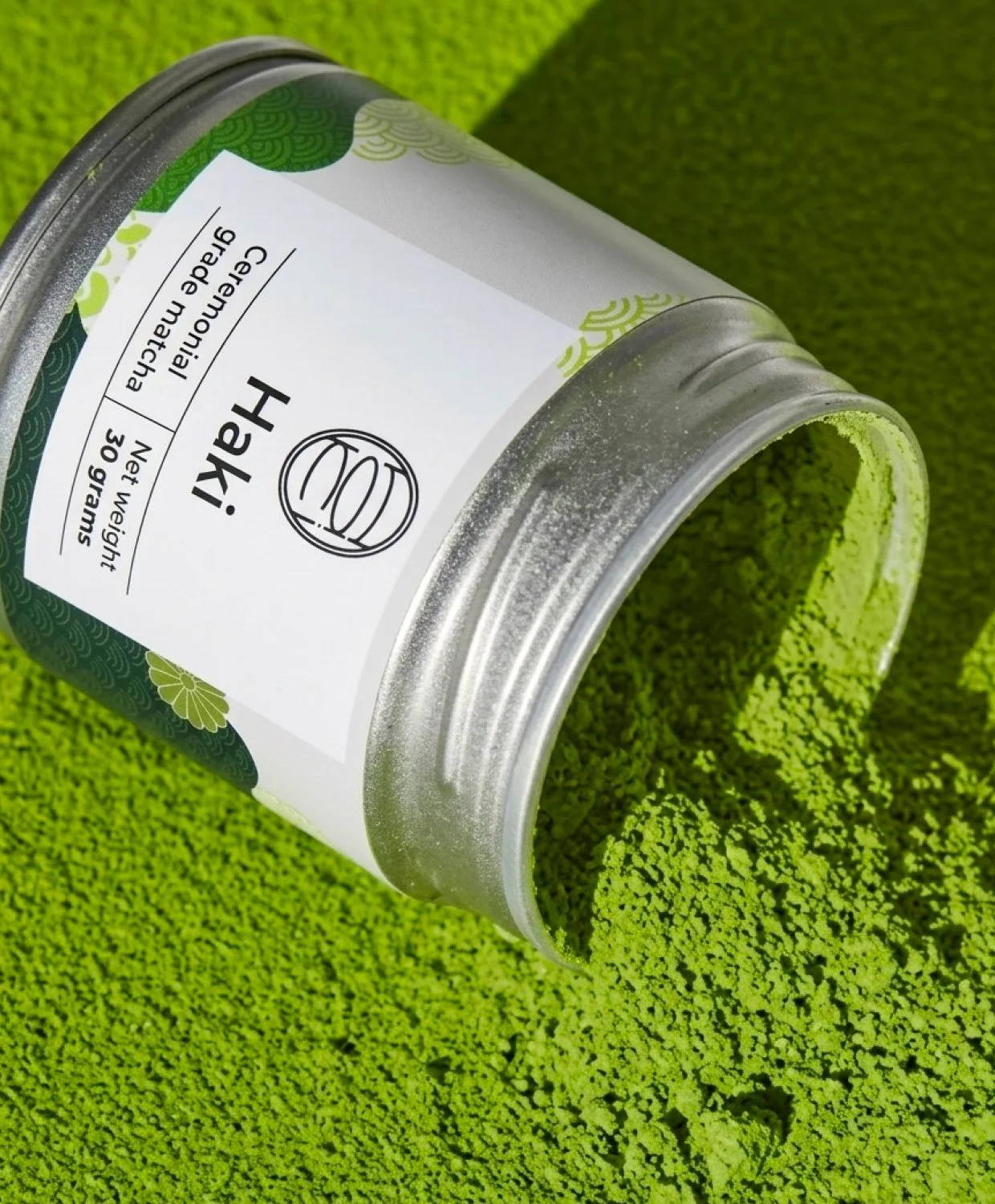 Image 2 of 4
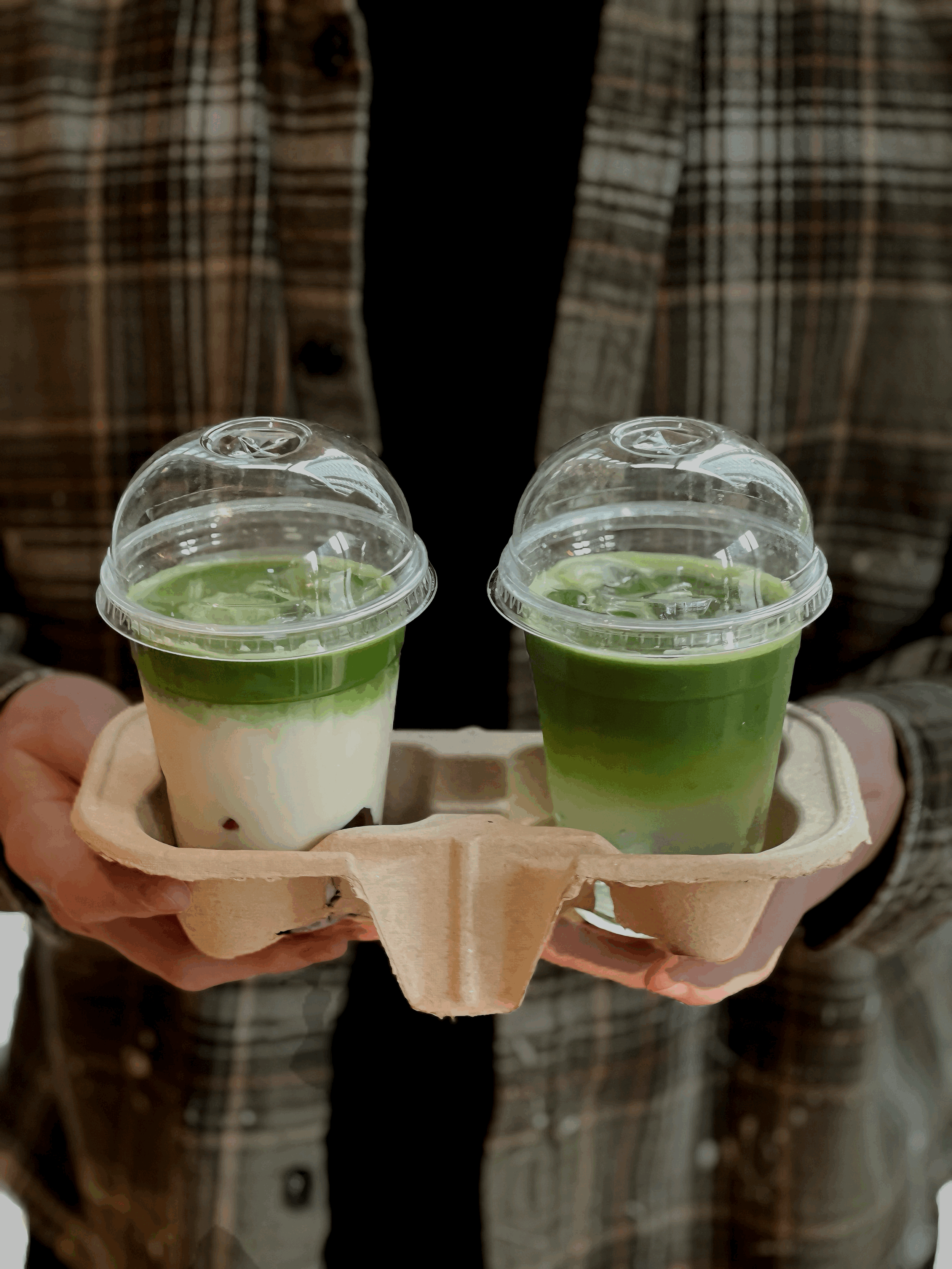 Image 3 of 4
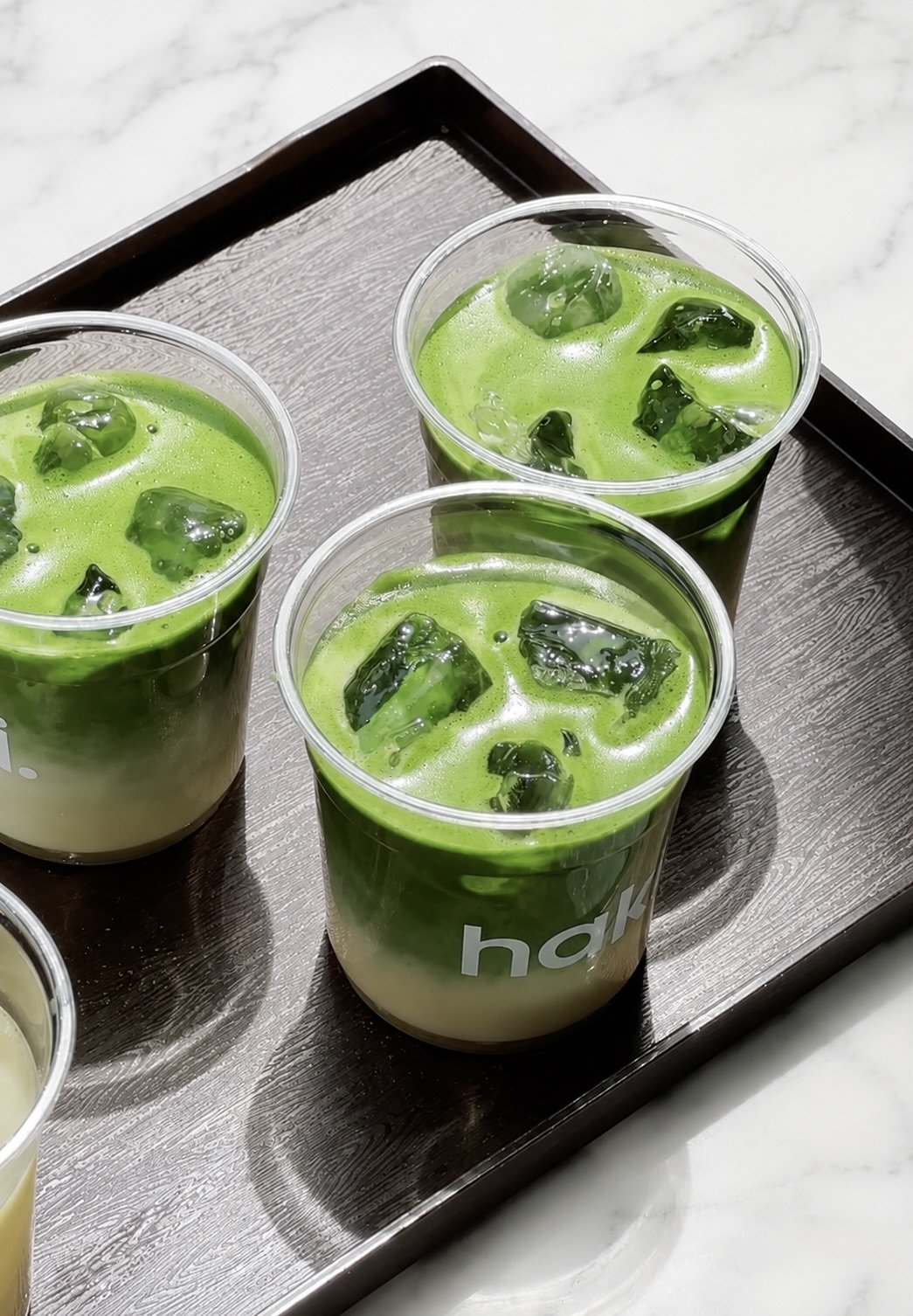 Image 4 of 4
features
28 days
grown in the shade for at least 21 and up to 28 days
may harvest
haki matcha is always first-flush may harvest
Kyoto
grown on the hills of Wazuka,Kyoto
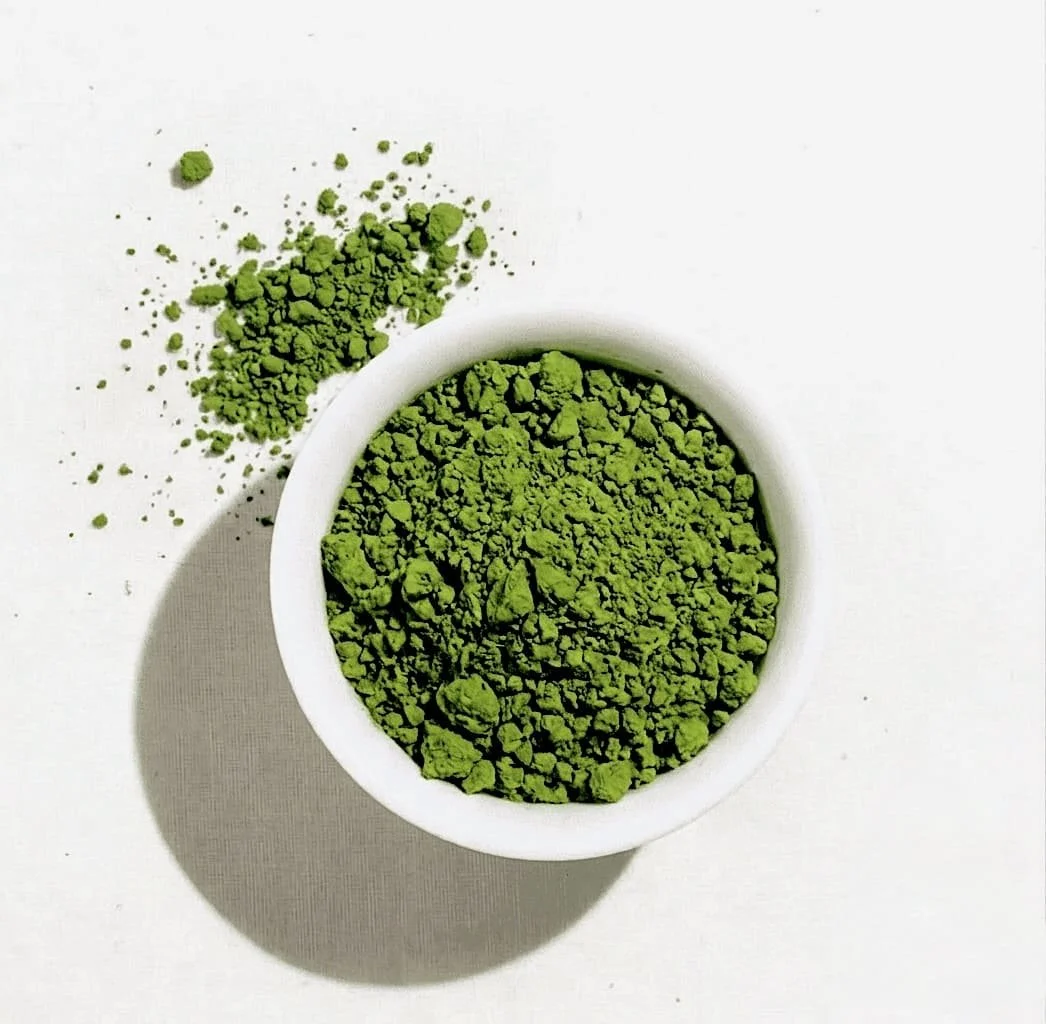
how we recommend preparing ceremonial matcha
2g or 3g matcha ⋅ 80°C ⋅ 30ml ⋅ and whisk
For the best flavor, avoid boiling water, which causes bitterness. Sift 1 to 2 teaspoons of matcha into your bowl to remove lumps, then add a splash of hot water (75–80°C) and mix it into a thin paste. Finally, use a bamboo whisk (chasen) in a swift "W" motion until a beautiful, frothy layer forms.
the matcha tin
| Taste | Balanced umami and sweet |
|---|---|
| Body | Full |
| Texture | Silky |
| Length | Long and smooth |
| Harvest | May |
| Tea Cultivar | Mixed |
| Origin | Wazuka, Kyoto |
| Cultivation | Shaded for 14 days |
| Processing | Steamed, Dried, Ground |
what is ceremonial grade matcha?
Ceremonial matcha is made from the youngest Spring tea leaves, shaded before harvest and stone-ground into a fine, vibrant green powder. It has a naturally sweet umami flavour with no bitterness and has traditionally been used in Japanese tea ceremonies. Because harvesting pauses through winter, the first Spring harvest is rare, highly anticipated, and considered the most premium of all matcha.
is haki a ceremonial grade matcha?
Yes — Haki is a true ceremonial grade matcha. It’s made from a blended cultivar of the Camellia sinensis plant, combining different varieties to create a flavour that’s not too sweet, not too bitter, and perfect for everyday use. Our matcha is shaded for at least 21 days (often up to 28), which naturally increases chlorophyll, antioxidants, and amino acids like L-theanine. This gives Haki its smooth taste, gentle energy boost, and calm focus compared to many other matcha powders.
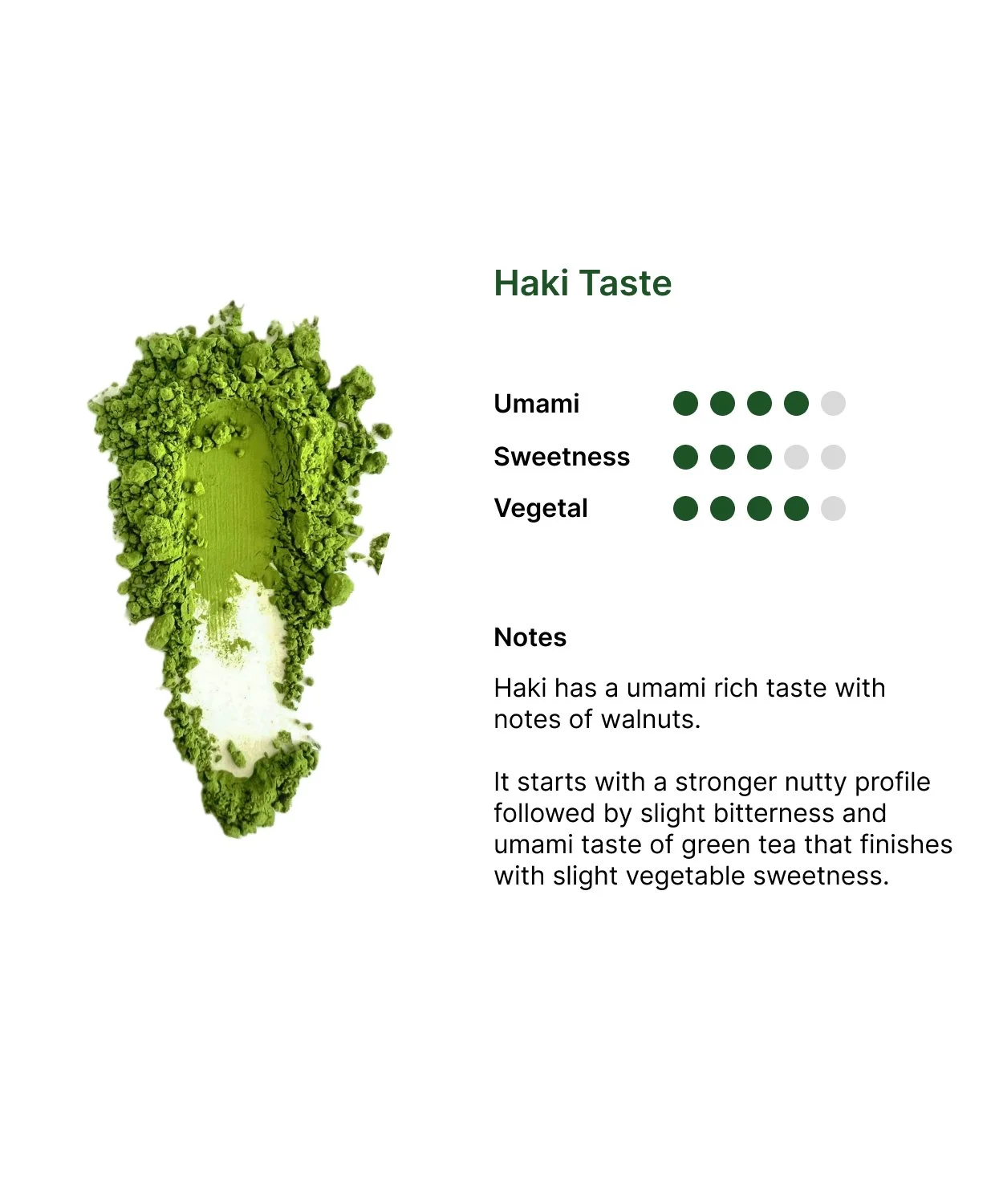
flavour profile
Our Everyday Matcha Blend is a light, smooth matcha with a crisp umami start and a clean, green tea like finish, featuring subtle notes of green peas and hazelnut or walnuts, complemented by a hint of milky like sweetness coming from its vegetable profile.
Your Questions, Answered
-
Matcha is a type of finely ground powdered green tea made from specially grown and processed shade-grown tea leaves ( that are grown in the shades during the last 3 weeks before cultivation, hence making matcha so unique ) — usually from the Camellia sinensis plant (the same plant used for all true teas).
-
Matcha powder is rich in antioxidants, especially catechins like EGCG. In contrast to ordinary steeped green tea, you drink the full leaf, which offers advantages including improved focus, stress reduction, energy without jitters, and possible support for gut, liver, and heart health.
-
Ceremonial grade matcha is the highest tier of shade-grown green tea powder, traditionally whisked and enjoyed on its own.
The Profile: It features a striking, vibrant jade color and a smooth, naturally sweet umami flavor with absolutely no bitterness.
London Pricing: A tin typically runs between £17 and £35, varying based on the brand and pricing strategy chosen by it.
Ceremonial grade matcha should always be May harvest and we recommend it never be less than 21 days shaded
-
True ceremonial matcha is a meticulous labor of love, which justifies its premium price tag:
Shade-Grown (21–28 days): Bushes are manually covered with nets to boost chlorophyll and amino acids, creating the vibrant green color and sweet, umami flavor.
Hand-Picked Spring Harvest: (New) Farmers hand-select only the youngest, tenderest top leaves from the first harvest of the year, ensuring zero bitterness.
De-Stemmed & De-Veined: The leaves are steamed and stripped of all bitter stems and veins, leaving only the pure leaf "meat" (tencha). This drastically cuts down the final yield.
Slow Stone-Grinding: Traditional granite mills grind the leaves incredibly slowly to prevent heat from scorching the flavor. It takes a full hour to produce just one 30g tin. Although many producers now use mechanic stone grinders or bigger industrial grinders to meet huge demands that matcha has experienced in recent years.
-
Yes, plain matcha is highly beneficial because you consume the whole leaf, providing a concentrated dose of antioxidants and sustained, jitter-free energy with zero sugar or calories.
-
Coffee typically has more caffeine, but there are various factors based on what coffee drink you have our how much matcha you use.
Typically an espresso shot contains about 90-120 mg of caffeine.
1 gr of matcha has about 20-45 mg of caffeine. So a 2 gr usucha would have about 40 to 90 mg of caffeine