Is matcha good for you?
In summary
Matcha is generally good for you when enjoyed in sensible amounts, especially if you drink it mostly unsweetened and use it as part of an overall healthy lifestyle.
Offers calm, steady energy with fewer jitters and crashes than coffee.
Very high in antioxidants (especially EGCG), which support cellular protection and healthier inflammation levels.
May help with focus, attention, and mood, giving a “clear‑headed” alertness.
Typically gentler on the stomach and teeth than coffee and is naturally low in calories when consumed plain.
More concentrated than regular green tea and lower in sugar and calories than most green juices or smoothies.
What exactly is matcha?
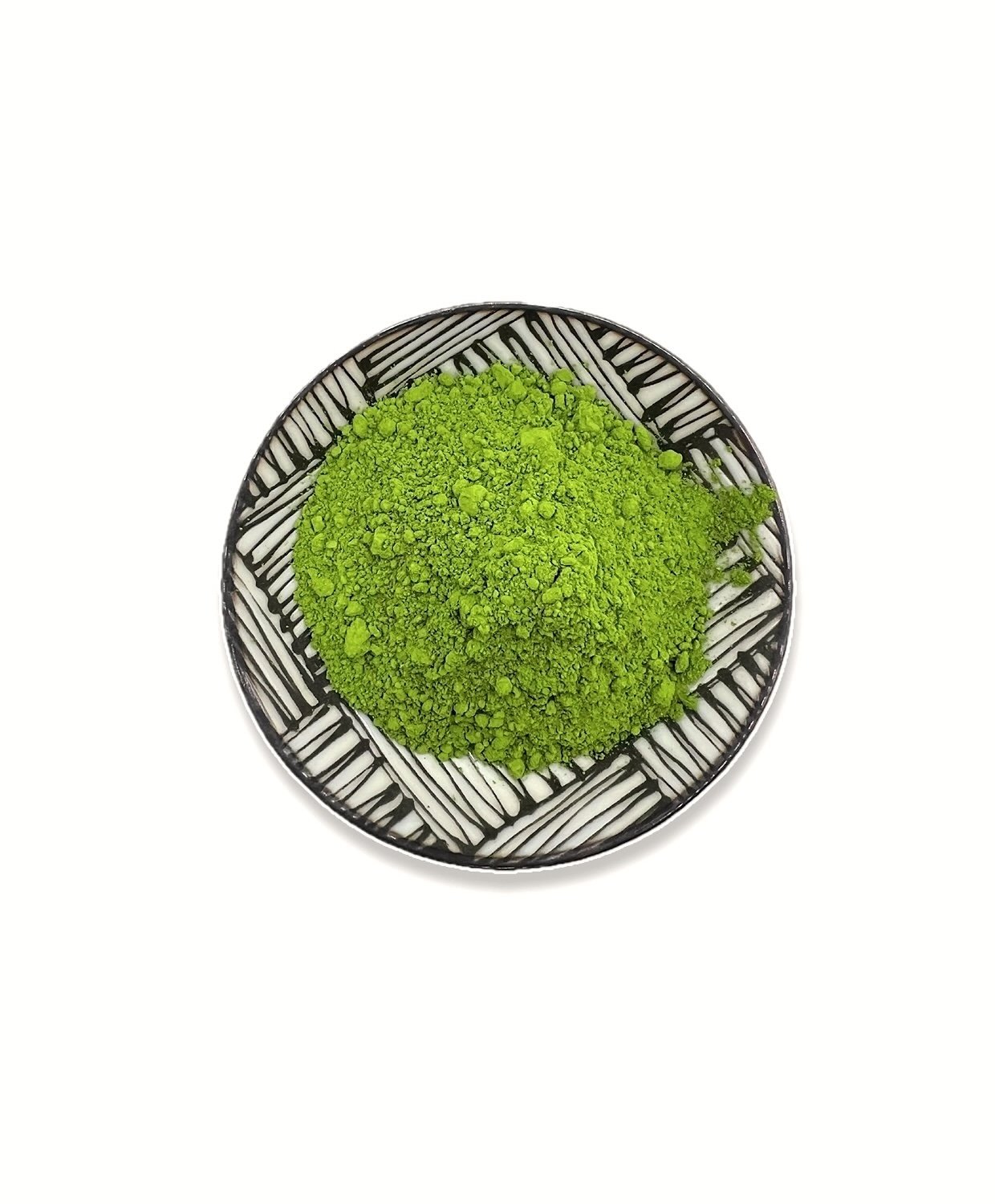
Matcha is a finely ground Japanese tea made from shade grown green tea leaves (Camellia sinensis). With matcha instead of steeping and discarding the leaves, as you d normally do with green tea, you whisk the powder into water and drink the whole leaf, which is why matcha is unusually rich in antioxidants and other plant compounds.
Core health benefits of matcha (as a tea)
1. Steadier energy and focus
Proper ceremonial grade matcha powder contains caffeine, but usually less per cup than a strong coffee (roughly 60–80 mg in a typical matcha vs 90–120 mg in a brewed coffee, depending on strength).
It also provides L‑theanine, an amino acid that promotes relaxed alertness and increases alpha brain waves, helping you feel focused but calm rather than wired.
Because L‑theanine slows caffeine absorption, people often report a smoother 4–6 hour energy curve instead of a spike‑and‑crash pattern.
2. Antioxidant powerhouse
Matcha is exceptionally rich in catechins, especially EGCG (epigallocatechin gallate), a potent antioxidant linked to reduced inflammation, improved metabolic health, and cellular protection.
You ingest the whole leaf, so cup‑for‑cup matcha can deliver substantially more antioxidants than regular brewed green tea.
Antioxidant‑rich diets are associated with lower risk of chronic diseases like cardiovascular disease and some cancers, although matcha itself is not a magic cure.
3. Brain and mood support
Caffeine plus L‑theanine may improve attention, working memory, reaction time, and subjective feelings of calm focus.
Some research suggests green tea and matcha may support cognitive function and reduce mental fatigue when taken regularly.
4. Metabolic and heart markers
Green tea catechins, including those in matcha, have been linked to modest support for weight management (slightly increased energy expenditure and fat oxidation) when combined with a healthy lifestyle.
Studies also associate green tea such as for example kabuse sencha or matcha intake with better cardio‑metabolic markers (blood pressure, cholesterol, glucose), though results vary and doses in studies are often higher than a single daily cup.
5. Oral and general health
Matcha contains compounds that may inhibit certain oral bacteria and support gum health, while coffee is more likely to stain teeth and contribute to acidity‑related issues.
Because you mix it in hot water, you avoid added sugars and cream if you drink it plain, which helps keep it a very low‑calorie daily ritual.
Matcha vs coffee: benefits and trade‑offs
Both drinks can be part of a healthy lifestyle, but they feel different in the body. If you want to learn more about matcha and coffee read our matcha vs coffee blog. But in a nutshell:
Matcha vs Coffee at a glance
| Aspect | Matcha Tea | Coffee |
|---|---|---|
| Typical caffeine (per cup) | Moderate, slower release via L-theanine | Often higher, faster spike |
| Main “feel” | Calm focus, fewer jitters | Strong alertness, more jitter-prone |
| Key compounds | Catechins (EGCG), L-theanine | Chlorogenic acids, caffeine |
| Antioxidant density | Very high; whole leaf consumed | High, but brewed only |
| Oral health | May support oral health | Can stain teeth, may worsen acidity |
| Common side effects | Rare jitters, possible caffeine sensitivity | Jitters, anxiety, reflux, poor sleep in some |
| Best suited for | Steady focus, gentler daily stimulant | Strong quick boost, taste preference |
Matcha vs other green drinks (green tea, green juice, smoothies)
There are many “green” drinks on the market; matcha is just one option.
Matcha vs regular green tea what is the difference?
Regular green tea is made by steeping leaves then discarding them; matcha suspends the powdered leaf in water, so you consume more of the plant.
This means matcha usually has more caffeine and significantly higher catechin/antioxidant content per cup than typical green tea.
Flavour‑wise, matcha is richer, more vegetal and umami; green tea is lighter and more delicate.
Matcha vs vegetable/green juices
Green juices (e.g., celery, cucumber, kale, apple) can provide vitamins and phytonutrients but often remove fibre, and some versions add fruit sugars, raising glycaemic impact.
Matcha is extremely low‑calorie and sugar‑free when taken plain, with a strong emphasis on antioxidants and gentle caffeine rather than vitamins and carbohydrates.
Matcha vs green smoothies
Green smoothies blend whole fruits and veg with liquid, preserving fibre and offering a broader nutrient mix (vitamin C, potassium, etc.), but they can be higher in calories and sugar.
Matcha can actually be added into smoothies to combine its caffeine and antioxidants with the fibre and micronutrients in the smoothie base.
Matcha vs other green drinks table
| Drink | Main benefits | Main downsides |
|---|---|---|
| Matcha tea | High antioxidants, calm focus, low calories | Contains caffeine; taste can be intense |
| Regular green tea | Mild caffeine, some antioxidants, easy to drink | Less concentrated benefits vs matcha |
| Green juice | Hydration, vitamins, plant compounds | Often low fibre, can be high sugar |
| Green smoothie | Fibre, fullness, mixed nutrients | Higher calories/sugar, depends on ingredients |
How much matcha is “good for you”?
Many people do well with 1–2 teaspoons of matcha powder per day (roughly 1–2 standard cups), which keeps total caffeine moderate for most adults.
If you are pregnant, breastfeeding, on certain medications, or have heart rhythm issues or anxiety disorders, discuss caffeine intake and green tea extracts with a healthcare professional first.
To get the most from matcha, it helps to drink it mostly unsweetened or lightly sweetened rather than as a sugary latte or dessert drink.
Practical tips for enjoying matcha
Start small: Use about ½ teaspoon whisked into hot (not boiling) water and see how you feel before increasing.
Time it: If you’re sensitive to caffeine, have matcha earlier in the day and avoid it 6–8 hours before bedtime.
Combine smartly: Use matcha in smoothies or with a light snack if you find it too strong on an empty stomach.
Choose quality: Look for bright green, fine powder labelled as “ceremonial” or high‑grade for better taste and higher chlorophyll content.