The Japanese Tea Ceremony

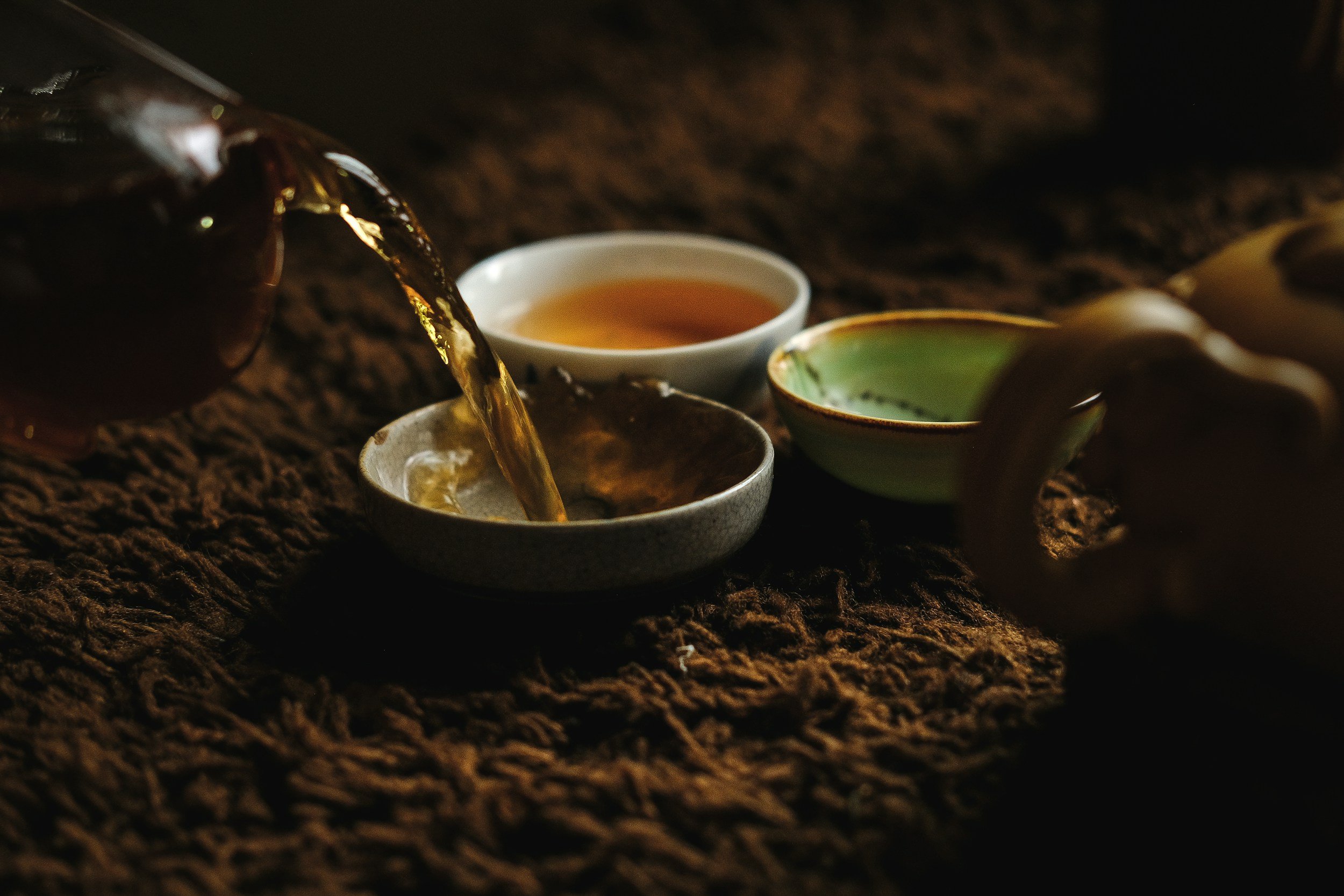
Summary
Japanese tea ceremony what is it:
A traditional Japanese ritual focused on preparing and drinking matcha, centred on mindfulness, respect, and appreciating the present moment.What happens at a Japanese tea ceremony:
A host prepares matcha with precise, graceful movements while guests observe, enjoy the tea, and take part in a calm, respectful atmosphere.How long does a Japanese tea ceremony last:
Anywhere from 30–45 minutes for modern or informal ceremonies, up to 2–4 hours for more traditional, formal experiences.
The Japanese tea ceremony, known as sadō or chadō (meaning “the way of tea”), is far more than the act of drinking green tea. It’s a carefully choreographed ritual rooted in mindfulness, hospitality, and respect — a quiet pause from the rush of everyday life.
Traditionally, the ceremony takes place in a tatami-floored tearoom, where every movement, object, and moment has meaning. For guests, the experience isn’t about rushing through a cup of tea, but about slowing down and fully appreciating the host’s care, the surroundings, and the present moment.
At its heart, the tea ceremony is about connection — between host and guest, nature and season, simplicity and beauty.
From Ancient China to a Japanese Art Form
Tea first arrived in Japan from China in the 8th century, initially consumed for medicinal purposes by Buddhist monks and members of the upper class. For centuries, tea remained a luxury — something enjoyed mainly by elites.
It wasn’t until the Muromachi Period (1333–1573) that tea culture spread more widely. During this time, tea-drinking gatherings became social events where guests would admire rare tea bowls and demonstrate their knowledge of tea.
Eventually, a quieter, more spiritual style of tea gathering emerged, heavily influenced by Zen Buddhism. These gatherings focused on simplicity, humility, and inner calm — the foundations of today’s tea ceremony.
The most influential figure in shaping modern tea ceremony was Sen no Rikyū (1522–1591). He promoted an aesthetic of rustic simplicity (wabi-sabi) and believed that beauty could be found in modest, imperfect things. Many of today’s major tea schools, including Urasenke and Omotesenke, trace their philosophy back to his teachings.
Where Tea Ceremonies Are Practised Today
Today, the tea ceremony is often practised as a hobby or cultural art, and it’s also something visitors to Japan can experience first-hand. Ceremonies range from deeply traditional to more relaxed, tourist-friendly versions where the rules are explained in English.
Cities like Kyoto and Uji are especially famous for their tea culture. Ceremonies are commonly offered in:
Traditional gardens
Cultural centres
Historic tea houses
Hotels and experience studios
Many experiences even include kimono wearing, allowing guests to step fully into the atmosphere of old Japan.
What Happens During a Tea Ceremony?
A full formal Japanese tea ceremony can last several hours and may include a seasonal multi-course meal (kaiseki), followed by thick tea (koicha) and thin tea (usucha).
However, most modern ceremonies — especially those open to visitors — focus on a shorter experience centred around enjoying a bowl of thin matcha.
While procedures differ slightly between schools, the core elements remain the same.
1. Dress and Mindset
Guests are encouraged to dress simply and modestly. Loud colours, heavy jewellery, and strong perfumes are avoided so nothing distracts from the tea or the space. The goal is to arrive calm, respectful, and present.
2. The Garden Path
Traditional tea rooms are often approached through a quiet garden, designed to mentally prepare guests for the ceremony. The path is simple, natural, and deliberately free from dramatic colours or fragrances.
Near the entrance, guests cleanse their hands at a stone water basin, symbolically leaving the outside world behind before entering the tearoom.
3. Inside the Tearoom
The ceremony takes place in a tatami-mat room, often with a low entrance that requires guests to bow — a gesture of humility.
Inside, attention naturally falls on the tokonoma, a decorative alcove displaying a hanging scroll or seasonal flowers chosen specifically for the occasion.
Guests bow, take their seats (traditionally in seiza), and quietly admire the room before the ceremony begins.
4. Preparing the Tea
The host prepares the tea in front of the guests with slow, precise movements. Every utensil has a purpose and a designated place:
Chasen (bamboo whisk)
Chashaku (tea scoop)
Natsume (tea container)
Tea bowl, kettle, and brazier
Nothing is rushed. The preparation itself is part of the experience — almost meditative to watch.
5. Drinking and Appreciating the Tea
Before the tea is served, guests receive a Japanese sweet, meant to balance the bitterness of the matcha.
When the bowl is placed in front of you, it’s customary to:
Lift it respectfully
Turn it slightly so the front is not facing you
Drink in a few calm sips
Bow in gratitude once finished
At the end, guests may be invited to examine the tea bowl more closely, appreciating its texture, shape, and imperfections — a quiet reminder that beauty doesn’t need to be perfect.
Why the Tea Ceremony Still Matters
In a world that moves fast, the Japanese tea ceremony offers something rare: intentional slowness. It teaches presence, respect, and appreciation for small details — whether that’s a handmade tea bowl or a single moment of silence.
You don’t need to know every rule to enjoy it. All that’s required is openness, curiosity, and a willingness to slow down — one bowl of tea at a time.