 Image 1 of 5
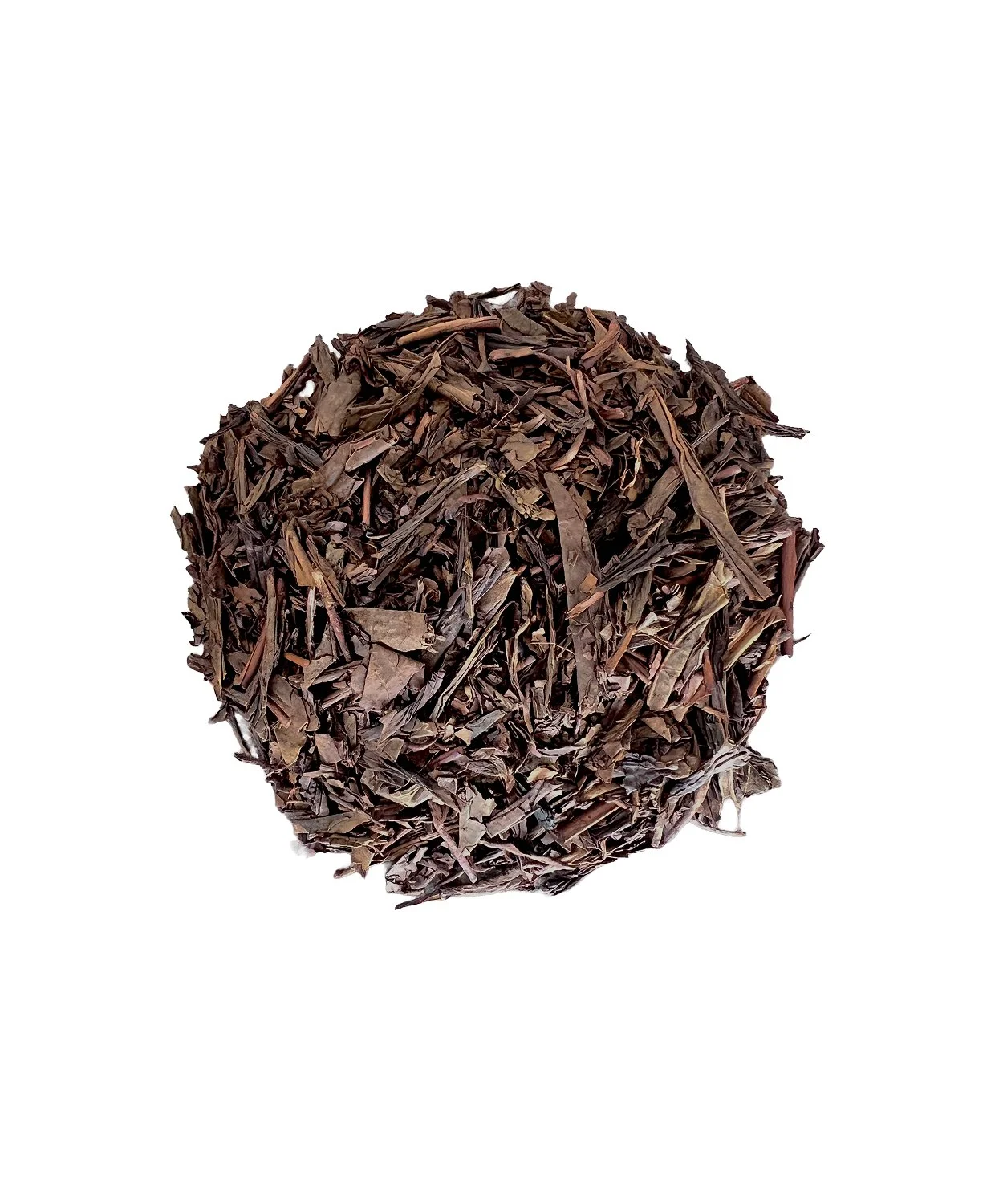 Image 2 of 5
 Image 3 of 5
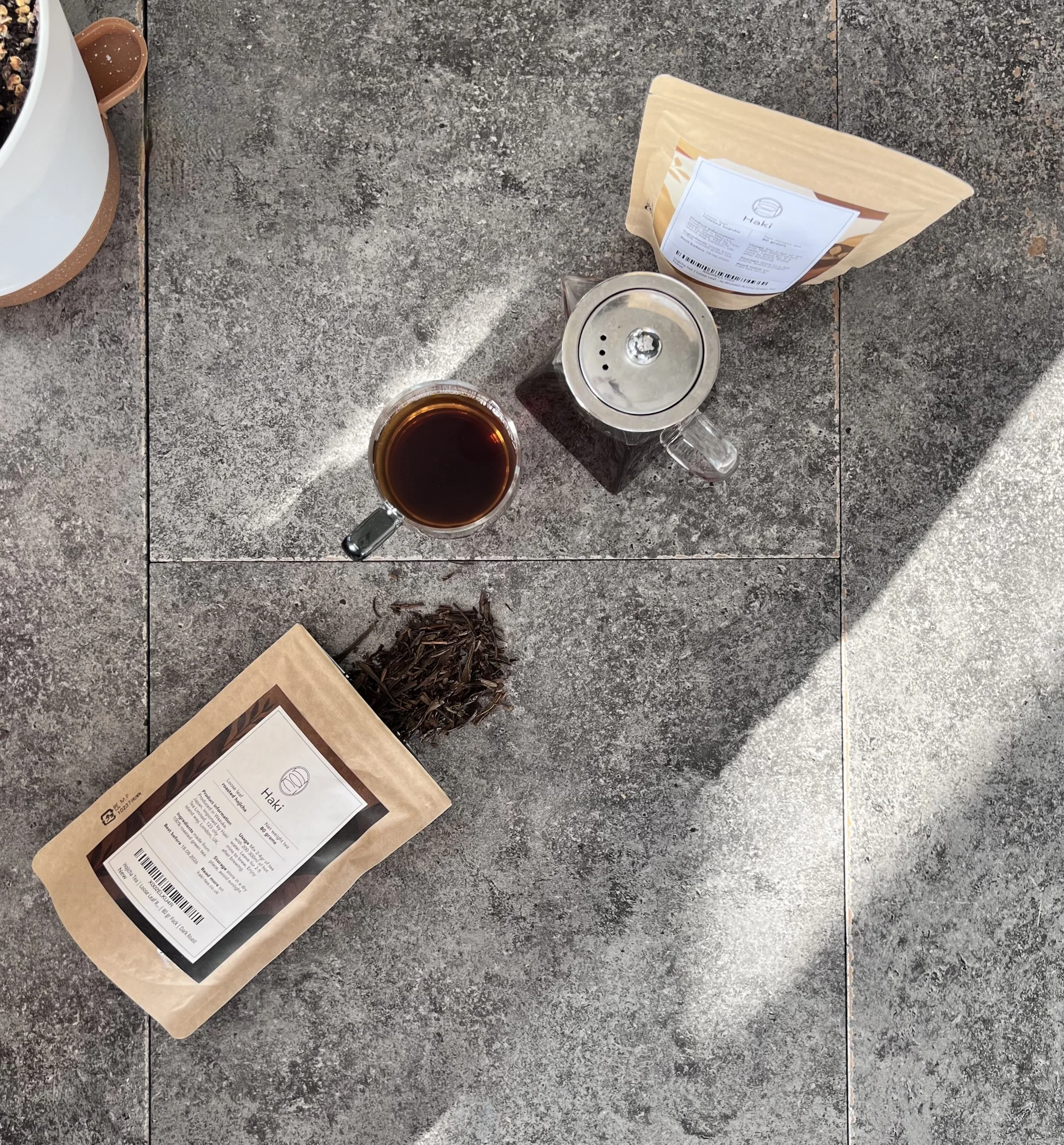 Image 4 of 5
 Image 5 of 5
features
90%
up to 90% less caffein vs kabuse sencha
200 C
roasted for up to 200 degrees celsius giving it a toasted flavour
evening tea
low in caffeine and acidity
How we recommend drinking the basic roast hojicha
3g to 5g of hojicha ⋅ 90°C ⋅ 200-300ml of hot almost boiling water
Unlike typical green tea, Hojicha stands out with its warm brown colour, a result of roasting the tea leaves to bring out their distinct nutty aroma and flavour. It can be made from Sencha, Bancha, or Kukicha, though it’s most commonly crafted using Bancha or Kukicha leaves.
These varieties are denser and sturdier, making them less sensitive to heat and ideal for roasting after the usual steaming and drying process. To achieve an even roast, traditional methods such as charcoal or sand roasting are often used. The high roasting temperature also removes most of the tea’s caffeine, giving Hojicha its smooth, mellow character.
| Taste | Roasted with very subtle sweet hints of vanilla |
|---|---|
| Body | Medium |
| Texture | Soft |
| Length | Middle |
| Harvest | Autumn |
| Tea Cultivar | Bancha or Kukicha |
| Origin | Wazuka |
| Cultivation | Unshaded |
| Processing | Steaming, drying and roasting |
why basic roast hojicha?
Our basic roast hojicha is warm and nutty in flavour, with very subtle sweet notes. The roasting process creates a smooth, comforting tea with very low caffeine, making it ideal for people who find English Breakfast or Earl Grey too strong.
what does hojicha taste like?
Hojicha has a naturally roasted, toasty and nutty flavour with gentle sweetness and very little bitterness compared with regular green tea. Many people find it comforting and familiar, with flavours closer to roasted nuts or light coffee than traditional grassy green tea.
FAQs
-
To make a smooth and aromatic Hojicha latte using loose leaf tea, follow these simple steps:
Heat the water: Bring 300 ml of filtered water to around 90°C (just before boiling).
Steep the tea: Add 5–7 g (about 2–3 teaspoons) of loose leaf Hojicha and steep for 3–5 minutes.
Strain: Remove the tea leaves and pour the brewed tea into a mug.
Prepare the milk: In a small pot, warm 200 ml of milk (dairy or plant-based) and stir in 1 tablespoon of maple syrup. Froth the milk if you like a creamy texture.
Combine and enjoy: Pour the warm, sweetened milk into your Hojicha tea, give it a gentle stir, and enjoy your roasted, nutty Hojicha latte.
💡 Tip: Avoid boiling the leaves directly in milk — it can dull the flavour and cause milk solids to stick to the tea.
-
Roasted green tea (also known as Hōjicha) comes with a long list of gentle, feel-good benefits. It’s soothing, low in caffeine, and kind to your stomach — perfect for when you want a relaxing cup without the buzz.
-
Hojicha does contain caffeine, but much less than most other common teas and coffee. That is because during preparation hojicha is roasted to up to 200 degrees celsius which removes much of the caffeine from the tea.
For most people it is considered a low‑caffeine option that is often comfortable to drink later in the day.
Taste
Body
Speciality
grown under shade from 21 to 28 days
Weight