 Image 1 of 4
 Image 2 of 4
 Image 3 of 4
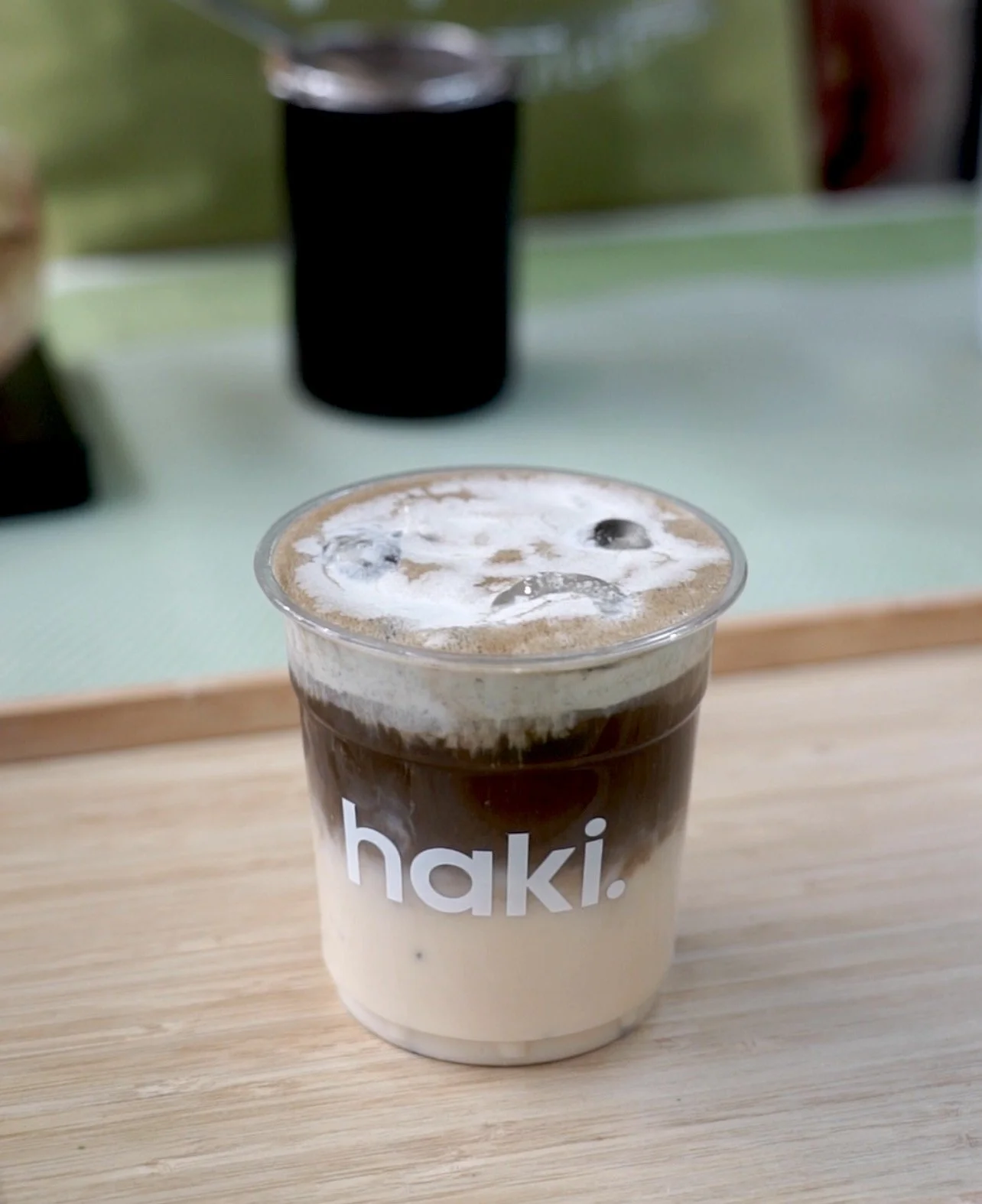 Image 4 of 4
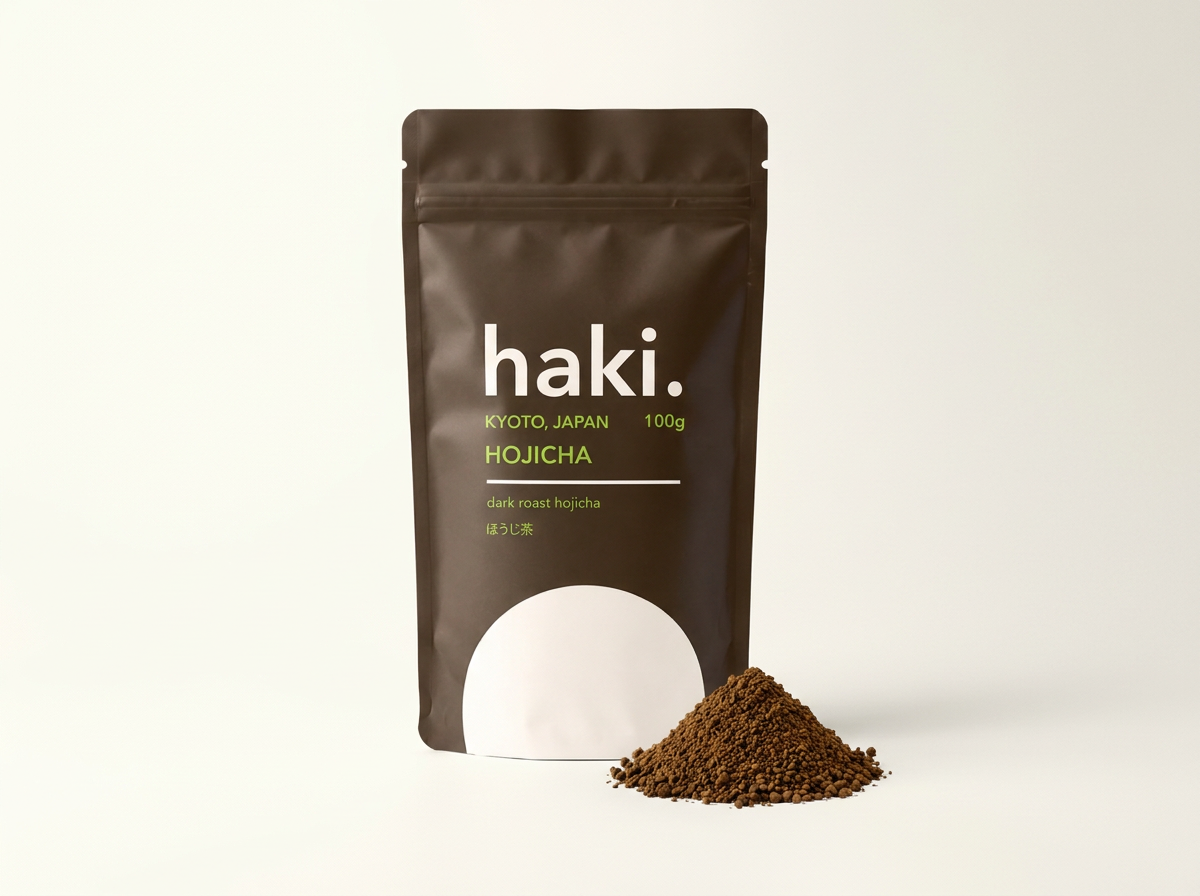
Hojicha powder — 100 g
What is hojicha?
Hojicha (焙じ茶), meaning “roasted tea,” is a Japanese green tea roasted over high heat, giving it a reddish-brown colour, a toasty aroma and a nutty, comforting flavour.
Benefits of hojicha
Characteristics of hojicha
How to make the best hojicha latte
Whisk 4 g of hojicha powder with 50–60 ml of hot water (around 80°C) until smooth, stir in 10 g of simple syrup, then top with 140 ml of steamed or cold milk.
Your Questions, Answered
-
Yes, hojicha has caffeine, although not nearly as much as other teas and coffee. Hojicha is a fantastic afternoon or evening beverage because it usually contains only 7 to 20 mg of caffeine in an 8 oz (250 ml) cup.
-
Because our hojicha is roasted at high temperatures of up to 200 degrees reducing much of the caffeine content.
Hojicha is typically made using mature bancha leaves and/or tea twigs (kukicha), typically August harvest, which inherently contain less caffeine than young, tender tea leaves.
-
Haki hojicha , as all our other tea, comes from Wazuka a village in Kyoto.
Historically hojicha originated from Kyoto. It originated in the 1920s. A tea merchant first created it as an innovative way to utilize leftover green tea leaves, stems, and twigs by roasting them over charcoal to prevent waste. However with time it became a traditional Japanese staple.
-
Not really, but it has many similar characteristics. This is because hojicha also has: nutty , roasty and charcoal flavours , making it more similar to coffee than matcha.
-
Hojicha powder is made by roasting Japanese green tea leaves to high temperatures before finely grinding them into powder.
-
Although hojicha is regarded as one of the gentlest and least acidic drinks you can have, it is technically has some acidity. Hojicha has a pH that is almost neutral when compared to coffee or unroasted green teas, and it is well renowned for being extremely calming to the stomach.