Hojicha Tea Benefits: Why This Roasted Japanese Tea Is Gaining Popularity
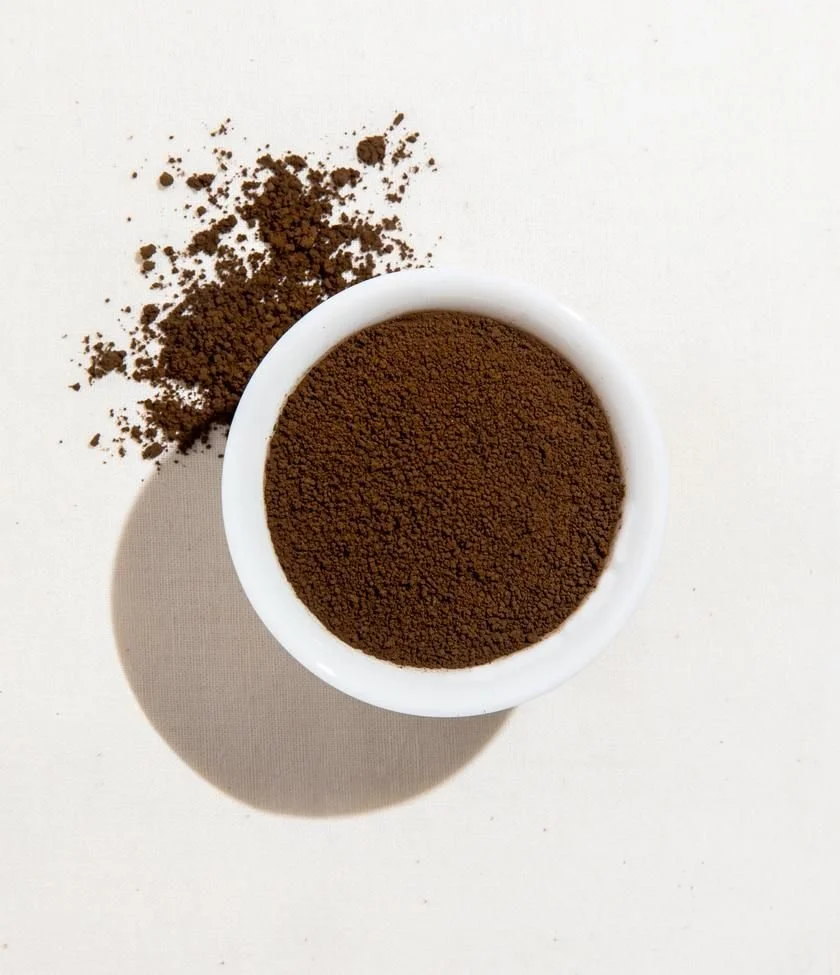
Ceremonial grade matcha may still dominate the green tea spotlight, but another Japanese tea is quickly gaining attention — hojicha.
With its warm roasted aroma, naturally low caffeine content, and gentle flavour, hojicha has become a favourite for people looking for a calmer alternative to coffee or traditional green tea.
But beyond its comforting taste, many people are curious about hojicha tea benefits and what makes this roasted tea unique.
In this guide we’ll explore:
what hojicha tea is
how it differs from other green teas
the key health benefits of hojicha tea
why it’s often considered one of the most gentle teas you can drink
What Is Hojicha Tea?
Hojicha is a roasted Japanese tea known for its distinctive brown colour and nutty, caramel-like flavour.
Unlike most green teas, which are steamed after harvesting, hojicha undergoes a high-temperature roasting process, typically above 200°C.
This roasting step transforms the tea in several ways:
It reduces caffeine levels
It creates aromatic compounds responsible for its toasted flavour
It softens the bitterness commonly associated with green tea
Whether loose leaf tea hojicha or houjicha powder, the tea usually made from bancha, sencha ( not to be confused with kabuse sencha which is premium shade grown sencha ), or kukicha leaves, though hojicha powder (similar to matcha powder) has also become increasingly popular for lattes and desserts.
What Makes Hojicha Different From Other Green Teas?
The roasting process is what truly sets hojicha apart from other Japanese teas.
During roasting, the tea’s chemical profile changes slightly, producing compounds called pyrazines. These compounds are responsible for hojicha’s warm, roasted aroma and may also contribute to some of its potential health benefits.
Because of this roasting step, hojicha is typically:
lower in caffeine
gentler on the stomach
less bitter than most green teas
Hojicha Tea Benefits
| Benefit | Why It Matters |
|---|---|
| Low caffeine content | Suitable for evening drinking and people sensitive to caffeine |
| Supports relaxation | Contains L-theanine which promotes calm focus |
| Contains antioxidants | Catechins and polyphenols help protect cells from oxidative stress |
| Gentle on digestion | Roasting reduces bitterness and makes the tea easier on the stomach |
| May support heart health | Green tea polyphenols are linked to improved cardiovascular markers |
| Contains aromatic compounds | Pyrazines created during roasting contribute to aroma and potential circulation benefits |
1. Naturally Low in Caffeine
One of the most well-known hojicha tea benefits is that is is a low caffeine content tea.
While most green teas contain moderate caffeine levels, the roasting process significantly reduces caffeine in hojicha.
On average:
Hojicha: ~15 mg caffeine per cup
Green tea (sencha): ~25 mg per cup
Coffee: 90–100 mg per cup
Because of this, hojicha is often considered a great tea for the evening or for people who want to reduce their caffeine intake.
2. Promotes Relaxation
Hojicha still contains L-theanine, an amino acid naturally found in tea plants.
L-theanine is associated with:
promoting calm focus
supporting relaxation
reducing feelings of stress
Combined with hojicha’s warm roasted aroma, this makes the tea a popular choice for people looking for a calming daily ritual.
3. Contains Antioxidants
Like other green teas, hojicha contains polyphenols and catechins, compounds known for their antioxidant properties.
Antioxidants help protect the body from oxidative stress caused by free radicals, which can contribute to aging and cellular damage.
Although hojicha contains slightly fewer catechins than matcha or sencha, it still provides beneficial plant compounds as part of a balanced diet.
4. Gentle on the Stomach
Many people find that hojicha is easier to drink than traditional green tea.
The roasting process reduces some of the tea’s natural bitterness and tannins, making it smoother and less acidic.
In Japan, hojicha is often served after meals, where it is believed to help with digestion and provide a comforting finish to a meal.
5. May Support Heart Health
Green tea consumption has long been associated with cardiovascular benefits.
Studies suggest that polyphenols found in green tea may help support:
healthy cholesterol levels
blood vessel function
overall cardiovascular health
While hojicha contains slightly lower concentrations of these compounds than unroasted green teas, regular consumption can still contribute to a healthy lifestyle.
6. Unique Roasted Compounds (Pyrazines)
Another interesting aspect of hojicha tea benefits is the presence of pyrazines.
These aromatic compounds are created during the roasting process and are responsible for hojicha’s:
toasted aroma
nutty flavour
caramel-like notes
Some research suggests pyrazines may support blood circulation and cognitive function, although further studies are still ongoing.
Hojicha vs Other Japanese Teas
Many people compare hojicha with other popular Japanese teas such as matcha or sencha.
Below is a simple comparison.
| Tea Type | Caffeine | Flavor | Best Time to Drink |
|---|---|---|---|
| Hojicha | Low (~15 mg) | Roasted, nutty, caramel-like | Evening or anytime |
| Sencha | Moderate (~25 mg) | Fresh, grassy | Morning or afternoon |
| Matcha | Higher (~60–70 mg) | Rich, umami, vegetal | Morning |
| Genmaicha | Low–moderate | Nutty with roasted rice | Afternoon |
How to Enjoy Hojicha
Traditionally, hojicha is brewed as a loose-leaf tea, but there are now many ways to enjoy it.
Popular options include:
Traditional hot hojicha tea
Iced hojicha
Hojicha desserts
Hojicha smoothies
Because of its roasted flavour, hojicha pairs especially well with milk, vanilla, chocolate, and caramel flavours.
Final Thoughts on Hojicha Tea Benefits
Hojicha may not have the same intense nutrient profile as matcha, but it offers something equally valuable: balance and drinkability.
Thanks to its roasting process, hojicha is:
naturally low in caffeine
gentle on digestion
rich in comforting roasted flavours
still packed with beneficial plant compounds
Whether enjoyed as a traditional tea or in a creamy hojicha latte, it’s easy to see why this roasted Japanese tea is becoming increasingly popular around the world.