Genmaicha Tea Caffeine Levels: Is it Good for Your Stomach?
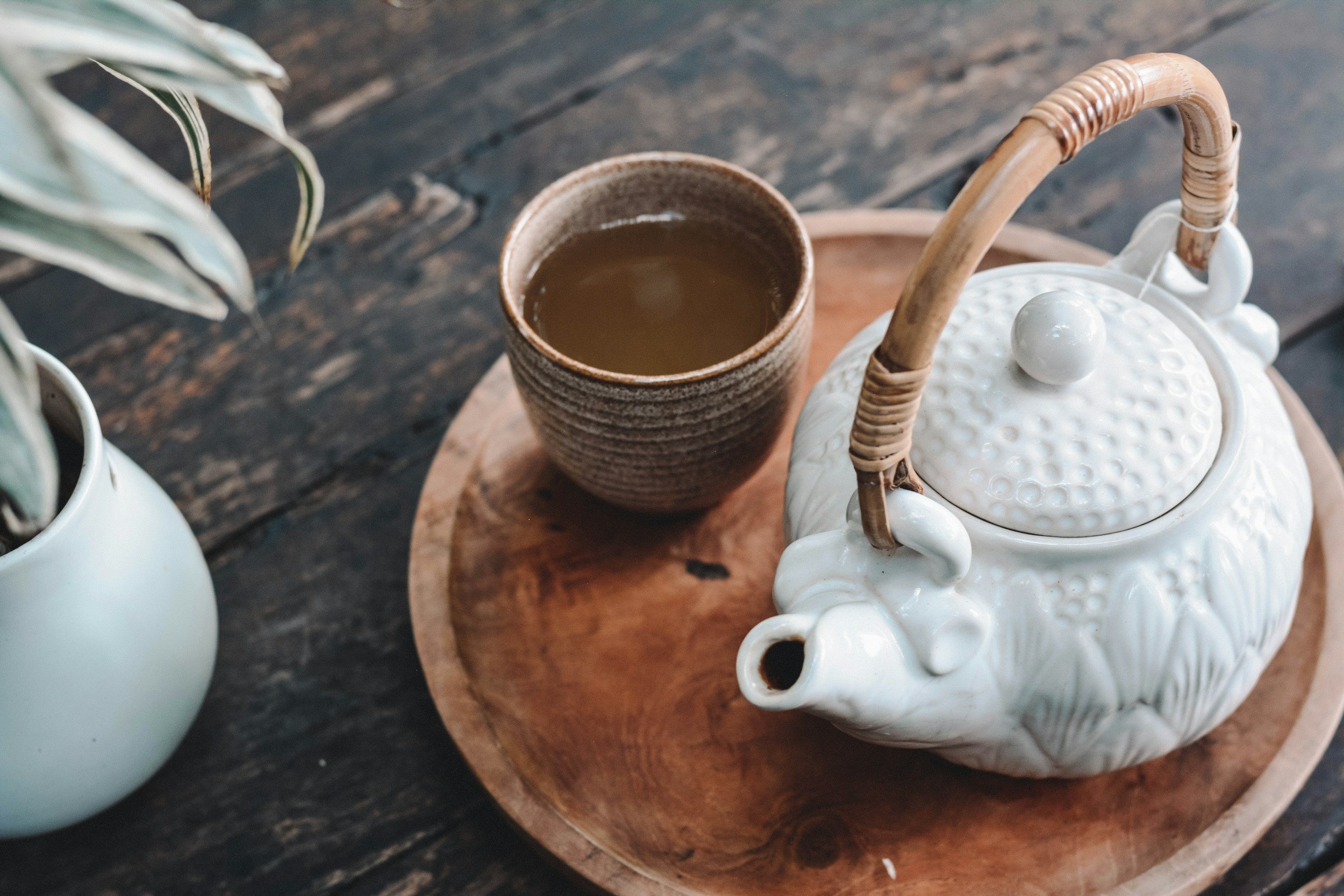
Note: The short answer is yes. Genmaicha tea is good for your stomach since it has quite low caffeine levels .
If you love Japanese green tea but are sensitive to caffeine, genmaicha might just be your perfect match. This traditional blend of green tea and roasted brown rice is famous for its gentle flavour, low bitterness, and easy drinkability — but how does it actually compare in terms of caffeine? Let’s break it down.
What is Genmaicha?
Genmaicha, often called “brown rice tea,” combines green tea leaves — typically bancha or sometimes sencha — with roasted brown rice. This combination softens the tea’s flavour, giving it a nutty, slightly sweet taste and a mellow profile that’s approachable for almost anyone.
Historically, the blend started as a way to stretch tea leaves during times of scarcity, but today it’s cherished for its balance and comfort. In Japan, loose leaf genmaicha and genmaicha tea bags are one of the most popular blended teas, while sencha remains the overall favorite green tea.
How Much Caffeine is in Genmaicha?
Interesting fact! All true teas contain caffeine because it’s naturally produced in the tea plant as a defense mechanism. However, genmaicha is relatively low in caffeine compared to other green teas:
Average caffeine content: ~15–30 mg per cup
Comparison: This is roughly half the caffeine of a standard cup of sencha or matcha green tea.
The reason? Two main factors:
Leaf type: Genmaicha often uses bancha leaves, which come from older, less tender leaves that naturally produce less caffeine. Sencha or gyokuro, from younger leaves, have higher caffeine levels.
Dilution by rice: The roasted rice doesn’t contain caffeine, so it effectively lowers the concentration in every cup.
This makes genmaicha ideal for afternoon or evening drinking, or for anyone who enjoys green tea but wants to avoid jitters.
Brewing Methods and Caffeine
The caffeine in genmaicha is influenced by temperature, time, and brewing method.
Pro Tip : cold brew offers slower extraction and therefore reduces caffeine slightly, but will not remove it entirely. Cold brewing is a good option if you want a lighter, smoother experience.
Hot brew (brewing at 80 - 100 degrees celsius ) has more caffeine typically between 15-30 mg of caffeine.
Caffeine: Genmaicha vs other teas
| Tea | Typical Caffeine per Cup | Notes |
|---|---|---|
| Hojicha | 7–20 mg | Low caffeine due to roasting; perfect for evenings |
| Genmaicha | 15–30 mg | Slightly higher than hojicha, but lower than sencha or matcha |
| Sencha | 30–50 mg | Standard green tea; more stimulating |
| Matcha | 60–70 mg | High caffeine; strong energy boost |
P.S Looking for hojicha loose leaf tea or kabuse sencha? We have got you covered !
Choosing Lower-Caffeine Genmaicha
If caffeine sensitivity is a concern, consider:
Bancha-based genmaicha: Naturally lower caffeine due to older leaves.
Shorter brewing time: Reduces caffeine extraction.
Cold brewing: Extracts less caffeine than hot water.
For those who want completely caffeine-free options, you can brew roasted rice (genmai) on its own — technically no longer tea, but it keeps the comforting nutty flavour.
How Genmaicha Compares to Other Teas
Ceremonial Matcha: High caffeine, high EGCG, and high antioxidants. Excellent if you want a strong energy boost, but not ideal for sensitive drinkers.
Kabuse sencha: Moderate to high caffeine, depending on leaf age and shading. Good for alertness and antioxidants.
Hojicha roasted green tea: Also low in caffeine, similar to genmaicha, but roasted to a darker profile for a deeper, caramelized flavour. Hojicha is another great evening-friendly option.
Genmaicha powder is also available, which can be whisked like matcha for a stronger flavour, though the caffeine content will depend on the proportion of tea leaves used in the powder.
Final Takeaway
Genmaicha is one of the gentlest green teas available, combining:
Lower caffeine than standard green teas
A mellow, nutty flavour thanks to roasted rice
Digestibility and easy drinkability for any time of day
If you want a low-caffeine Japanese tea with a soothing taste, genmaicha is a top choice — and if you want to explore other options, hojicha powder and genmaicha powder offer versatile ways to enjoy the tea experience with similar gentle caffeine profiles.
Want to understand more about how genmaicha compares to hojicha? Read more on our hojicha vs genmaicha blog.