The Truth About Genmaicha Tea Benefits: What You Need to Know
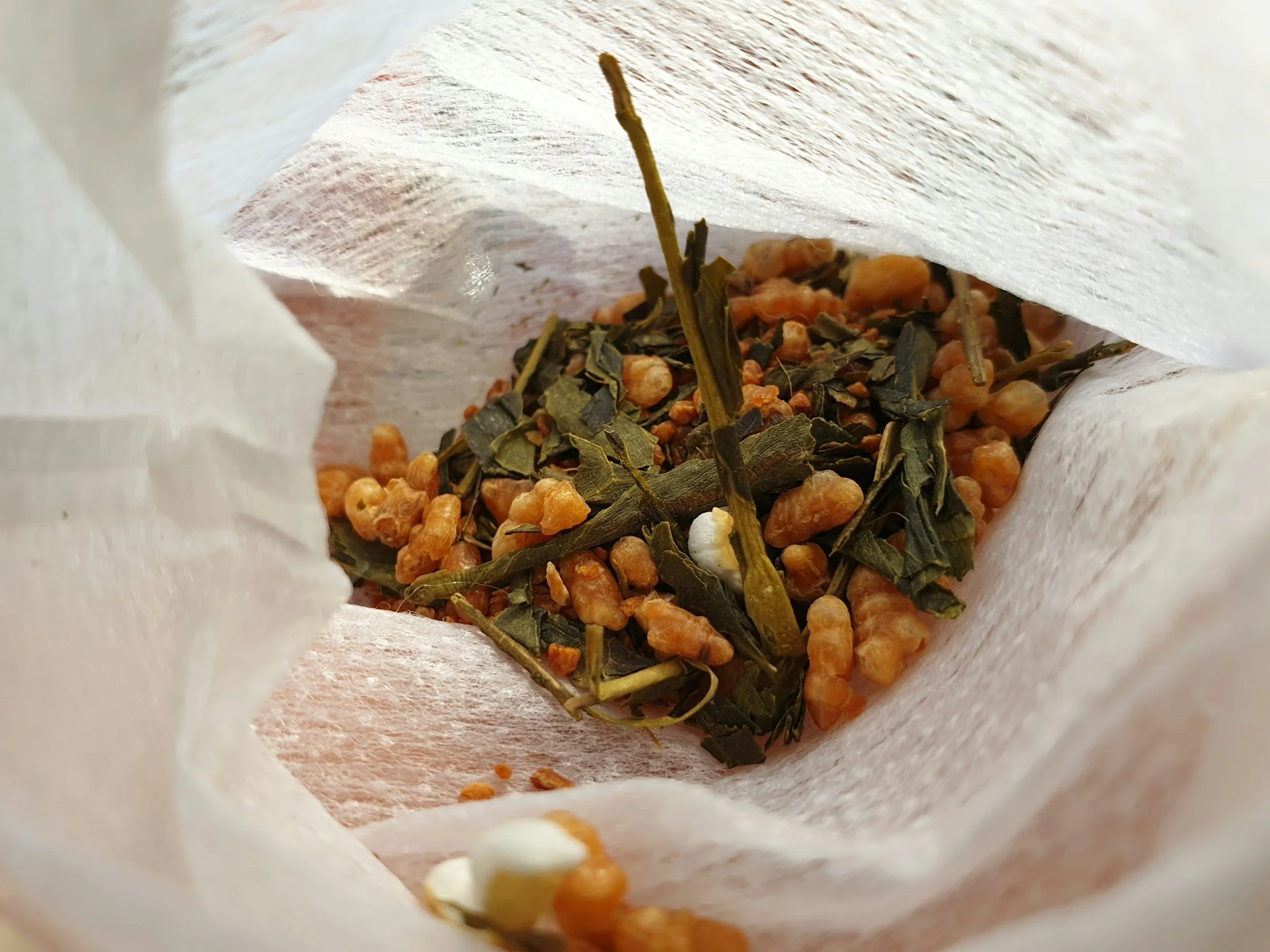
Genmaicha tea is a traditional Japanese blend of green tea and roasted brown rice. It’s known for its gentle flavor, low bitterness, and easy drinkability. Over the years, it has gained attention online for a long list of supposed “benefits,” from boosting metabolism to detoxifying the body.
Some of these claims are partly true, some are overstated, and others don’t apply to the brewed tea you drink at home. This guide breaks down what genmaicha actually offers, what science supports (limited by our research abilities of course !), and what to keep realistic expectations about.
Disclaimer: please mind this is not a doctors advice. Much of this research / blog was based of data from the National Library of Medicine from USA ( see foot notes for sources ).
1. A Mild, Lower-Caffeine Green Tea
Genmaicha typically uses bancha, a green tea that naturally contains less caffeine than kabuse sencha green tea for example which is shade grown green tea. Shade grown means it is higher in caffeine and has L-theanine which is similar to ceremonial matcha ( however in matcha these are much higher ) . The addition of roasted rice further dilutes caffeine levels.
What this means:
Less jittery than stronger green teas
Gentle on the stomach, even later in the day
Suitable for anyone sensitive to bitterness or caffeine
2. Contains Catechins — But in Lower Amounts
Green tea catechins, especially EGCG, are the compounds often associated with heart health, antioxidant activity, and other benefits. Genmaicha contains catechins, but at lower levels than pure green teas like sencha, kabuse sencha, or matcha.
Realistic takeaway:
Genmaicha provides mild antioxidant support
It is not a concentrated source of EGCG or polyphenols
Best appreciated for taste and approachable health benefits, rather than potency
3. Naturally Contains L-Theanine
Because genmaicha is made from green tea leaves, it contains L-theanine, an amino acid linked to relaxation and mental clarity.
What this means:
Encourages a smooth, steady feeling rather than strong stimulation
Can support calm focus when incorporated into daily routines
4. Gentle on Digestion
The roasted rice softens the green tea’s flavor and reduces the risk of stomach discomfort sometimes experienced with stronger teas.
Useful for:
People who find sencha or matcha too intense
Those who want a light tea with meals or in the evening
5. Modest Nutritional Contributions
Some sources claim genmaicha is packed with vitamins and minerals. In reality, a brewed cup provides only trace amounts of nutrients.
Accurate takeaway:
Genmaicha contributes small amounts of polyphenols, trace minerals, and amino acids
It should not be relied on to meet dietary requirements
6. Antioxidant and Cellular Support
Even in lower catechin concentrations, genmaicha can provide mild antioxidant benefits. Green tea catechins help neutralize reactive oxygen species (ROS) in the body, which are linked to oxidative stress, aging, and certain chronic conditions.
Potential benefits of genmaicha include:
Supporting the body’s natural antioxidant defenses
Helping maintain skin health and potentially slowing some signs of photoaging
Mild support for brain health and stress resilience
For stronger antioxidant effects, higher-catechin teas like matcha are more suitable.
7. Not a Weight-Loss or Detox Tea
Scientific studies on green tea and weight loss mostly involve high-catechin extracts, not brewed tea. Even then, results are modest and inconsistent.
What you can fairly say about genmaicha is:
Naturally low in calories
Can replace sugary drinks for healthier daily habits
Should not be consumed as a fat-burning or detoxifying beverage
8. A Tea with a Long History and Everyday Appeal
Genmaicha has been enjoyed in Japan for centuries. Its popularity originally came from being affordable, approachable, and easy to drink daily.
Why it’s still loved today:
Gentle, balanced flavor
Warm and comforting without being overpowering
Suitable for everyday use at any time of day
Want a more approachable and easier version to drink? Why not try our Genmaicha Tea bags for that?
So… What Are the Real Benefits?
What genmaicha truly offers:
Low caffeine
Gentle, easy-to-digest flavor
Mild L-theanine support for calm focus
Modest antioxidant support
A light, approachable everyday tea
Affordable and accessible compared to premium green teas
What genmaicha does not do:
Detox the body
Treat or prevent disease
Significantly boost metabolism
Provide high levels of vitamins or minerals
Final Thoughts
Genmaicha is not a miracle tea ( and no tea really is ) — and it doesn’t need to be. Its value lies in balance: a mild green tea with a comforting roasted note, low bitterness, and an easy presence in daily life.
If you want a tea that’s gentle, steady, and simple to enjoy, genmaicha is an excellent choice.
For those seeking a stronger catechin or antioxidant boost, matcha or kabuse sencha may be more suitable, while genmaicha remains the mellow, everyday option. If you are seeking for a more playful variant of the tea, you can also try genmaicha powder. Which is simply genmaicha tea that has been ground to powder form.
References to studies to learn more:
https://pmc.ncbi.nlm.nih.gov/articles/PMC6412948/
https://pmc.ncbi.nlm.nih.gov/articles/PMC6366437/
https://pmc.ncbi.nlm.nih.gov/articles/PMC3679539/
https://pmc.ncbi.nlm.nih.gov/articles/PMC4025876/
https://pubmed.ncbi.nlm.nih.gov/19597519/
https://pubmed.ncbi.nlm.nih.gov/25312214/