Hojicha vs matcha
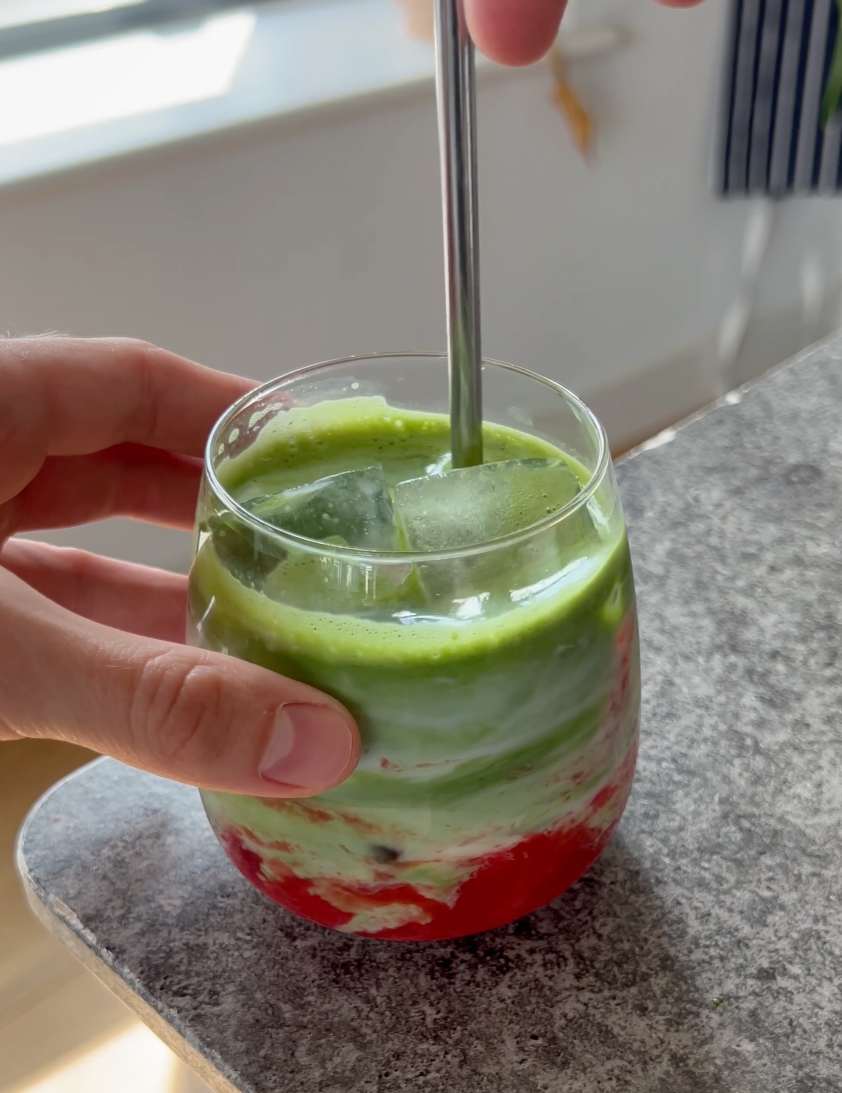
Hojicha vs Matcha: What Is Better for You?
Ceremonial matcha powder and hojicha powder are both born from the same plant (Camellia sinensis), yet they sit on opposite ends of the sensory spectrum. One is a vibrant, electric-green powder that fuels high-performance days; the other is a warm, amber-hued leaf that offers a toasted embrace for quiet evenings.
If you’ve found yourself wondering which one truly suits your lifestyle, you aren't just choosing a flavor—you’re choosing an energy profile. Here is the definitive breakdown of the "Vivid" versus the "Toasted."
1. The Science of the Leaf
The primary difference lies in how the leaves are treated after harvest. This "fork in the road" creates two entirely different chemical structures.
Matcha: The Raw Powerhouse
Matcha is made from Tencha leaves. These are shade-grown for weeks to skyrocket chlorophyll and amino acid levels. The leaves are then steamed, dried, and stone-ground.
The Key Perk: Because it’s a suspension (you drink the ground leaf), you ingest 100% of the nutrients, not just the water-soluble ones.
Hojicha: The Roasted Comforter
Hojicha is typically made from Bancha (late-harvest leaves and stems). These are roasted at high temperatures (approx. 200°C).
The Key Perk: The roasting process triggers the Maillard Reaction, which changes the molecular structure. This destroys bitterness and significantly lowers caffeine through sublimation.
2. At a Glance: The Comparison Table
For those in a hurry, here is how they stack up side-by-side:What’s the Difference in Properties?
Here’s the real-world breakdown that actually matters when choosing:
| Feature | Matcha | Hojicha |
|---|---|---|
| Vibe | High-Focus / Energizing | Cozy / Grounding |
| Flavor | Umami, Grassy, Creamy | Nutty, Caramel, Toasty |
| Caffeine | 60–70 mg (High) | 7–20 mg (Very Low) |
| Antioxidants | Maximum (EGCG) | Moderate (Heat-altered) |
| Best For | Morning Focus / Pre-Workout | Evening Wind-down / Digestion |
| Stomach Impact | Can be acidic on empty stomach | Alkaline and very gentle |
3. When to Choose Your Brew
The Case for Matcha
Clean Caffeine: If you want the "kick" of coffee without the "crash." Matcha contains L-Theanine, an amino acid that crosses the blood-brain barrier to promote relaxation without drowsiness. It’s "meditation in a cup."
Metabolic Support: High levels of EGCG (catechins) make it a favorite for those looking to support heart health and metabolism.
The Ritual: If you enjoy the process of whisking—the "Zen" moment of creating a perfect froth.
The Case for Hojicha
Caffeine Sensitivity: Perfect for children, the elderly, or anyone who wants a "latte" experience at 8:00 PM without staying awake until 3:00 AM.
Digestive Aid: In Japan, Hojicha is the standard post-dinner tea. Its warmth and low acidity help soothe the digestive tract.
The Flavor Palette: If you love the scent of roasted nuts, dark chocolate, or toasted bread, Hojicha will be your new obsession.
Pro Tip: If you find Matcha too "grassy" or bitter, you are likely using water that is too hot. Never use boiling water (100∘C). Aim for 80∘C to keep the flavor sweet and creamy.
4. The Verdict: Why Choose?
In a well-balanced wellness routine, these two aren't competitors—they are partners.
9:00 AM: A whisked Matcha to spark creativity and sustained focus.
4:00 PM: A steaming cup of Hojicha to transition from the "hustle" to the "home."
Which one are you reaching for today? Whether you want the vivid energy of the shade or the smoky comfort of the fire, both offer a thousand-year-old tradition of health in every sip.
Matcha in the morning, hojicha at night. Want to dive deeper into the world of hojicha ? Why not red our blog hojicha vs genmaicha