Hojicha vs Genmaicha: Which Japanese Tea is Right for You?
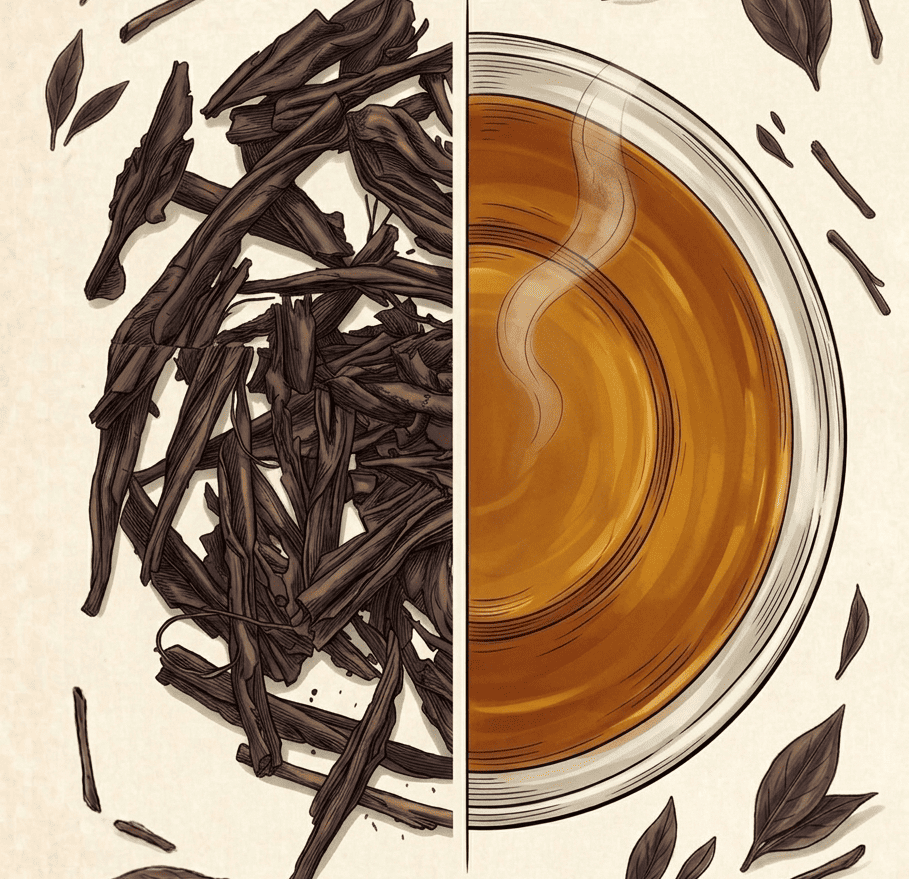
If you’re exploring Japanese teas, two popular options are hojicha and genmaicha. Both are beloved for their approachable flavours and lower caffeine compared to standard green teas, but they each offer unique taste profiles and experiences. Let’s break it down.
What is Hojicha?
Hojicha green tea is a roasted Japanese green tea, typically made from bancha, sencha, or even kukicha leaves. The roasting process gives it a warm, caramelized aroma and a reddish-brown color. Unlike genmaicha, hojicha contains no rice, which means its flavour is more nutty and smoky rather than slightly sweet.
Because of the roasting, hojicha is a low caffeine green tea ( lower than genmaicha ), making it an excellent evening tea or a gentle choice for caffeine-sensitive drinkers.
What is Genmaicha?
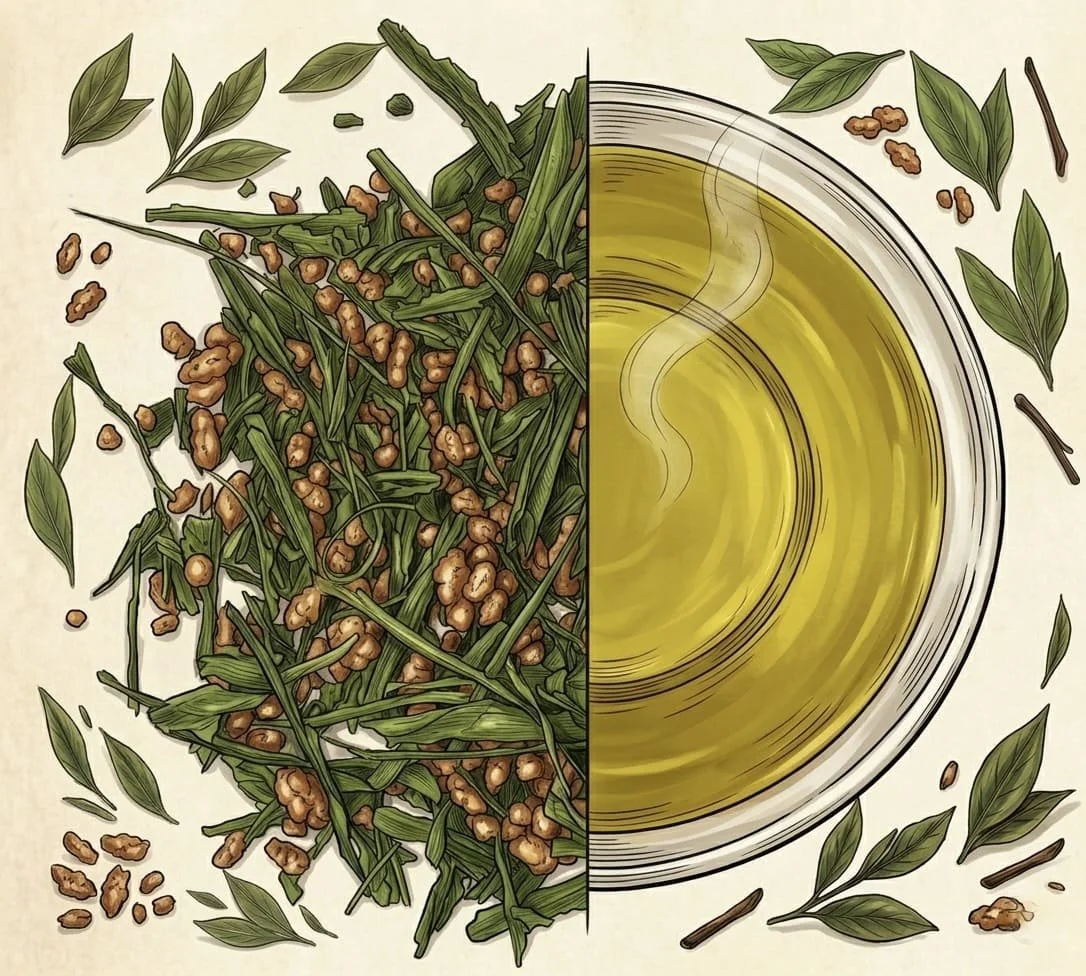
What is Genmaicha? Genmaicha, also called “brown rice tea,” is a blend of green tea leaves (usually bancha or sencha) and roasted brown rice. This combination creates a nutty, slightly sweet, and mellow flavour that’s easy to drink.
Like hojicha, genmaicha is lower in caffeine than standard green teas, but the presence of rice slightly dilutes the caffeine further. This makes it ideal for a soothing cup any time of day.
Hojicha vs Genmaicha: Taste and Aroma
Hojicha: Deeply roasted, nutty, smoky, and caramelized. The aroma is warm and comforting.
Genmaicha: Nutty with a toasty-sweet note from roasted rice. Softer and lighter than hojicha, with a gentle green tea undertone.
If you enjoy robust roasted flavours, hojicha is your go-to. If you prefer a milder, sweeter cup, genmaicha might suit your taste.
Both teas are lower in caffeine than standard green teas, but there are slight differences:
Caffeine Comparison
Both teas are lower in caffeine than standard green teas, but there are slight differences:
| Tea | Typical Caffeine per Cup | Notes |
|---|---|---|
| Hojicha | 7–20 mg | Low caffeine due to roasting; perfect for evenings |
| Genmaicha | 15–30 mg | Slightly higher than hojicha, but lower than sencha or matcha |
| Sencha | 30–50 mg | Standard green tea; more stimulating |
| Matcha | 60–70 mg | High caffeine; strong energy boost |
This means hojicha is slightly gentler, while genmaicha provides a mild green tea lift with comfort from the rice.
Health and Wellness
Both teas share similar benefits thanks to their green tea base:
Antioxidants: Present in both, though genmaicha may have slightly higher catechin levels due to the green tea leaves.
L-Theanine: Found in both teas, promoting relaxation without drowsiness.
Digestibility: Genmaicha’s roasted rice makes it very gentle on the stomach; hojicha’s roasting reduces bitterness, also aiding digestion.
Low caffeine: Both are ideal for sensitive drinkers or evening consumption. With genmaicha caffeine levels being slightly higher than Hojicha’s.
Neither tea is a miracle health booster, but both are excellent for daily enjoyment, hydration, and gentle antioxidant support.
Hojicha vs Genmaicha: Which Should You Choose?
Choose Hojicha if: You love roasted, nutty, smoky flavours and want the lowest caffeine possible.
Choose Genmaicha if: You prefer a sweeter, toasted flavour with a mild green tea lift. It’s also ideal for pairing with meals thanks to its soft profile.
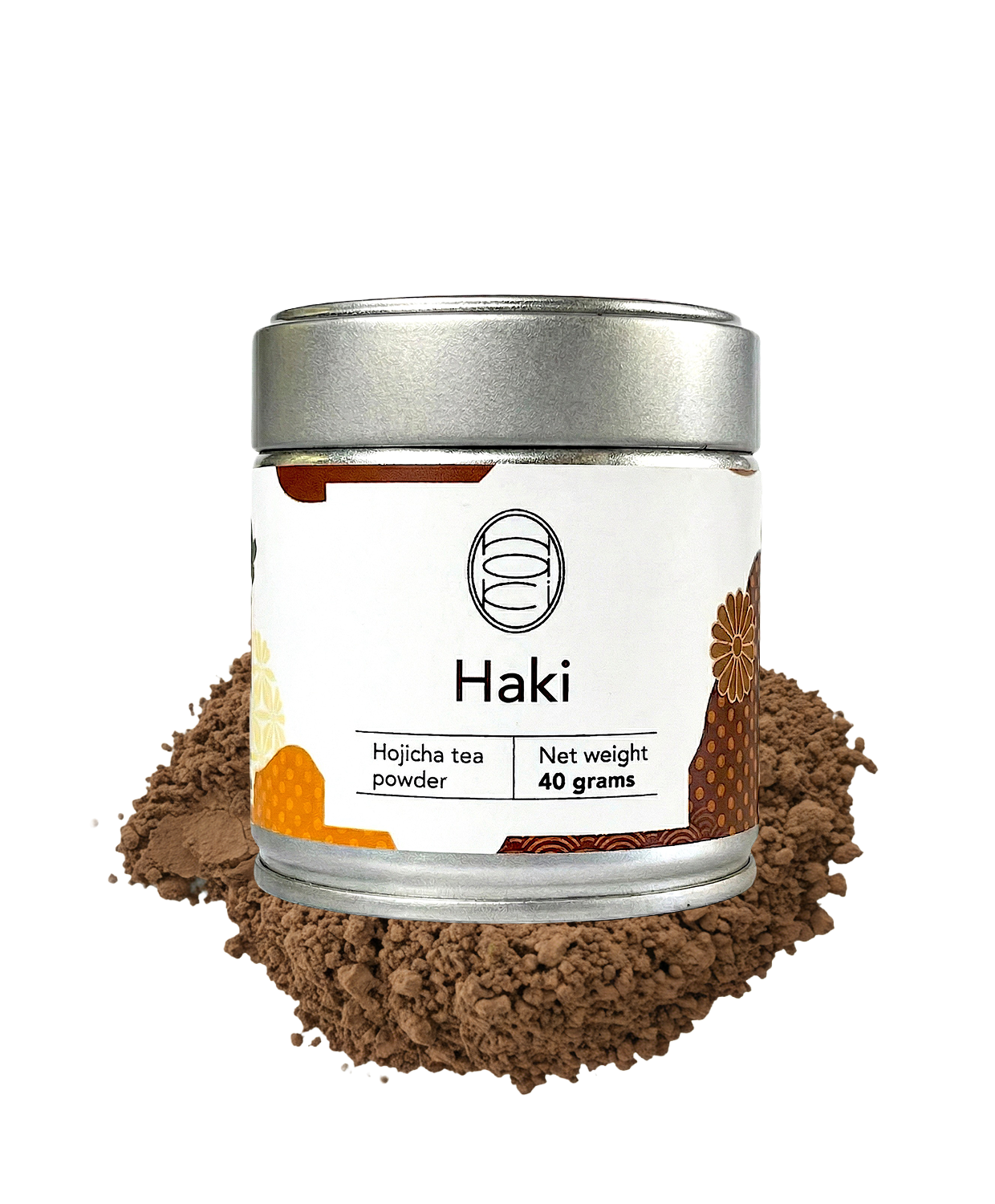
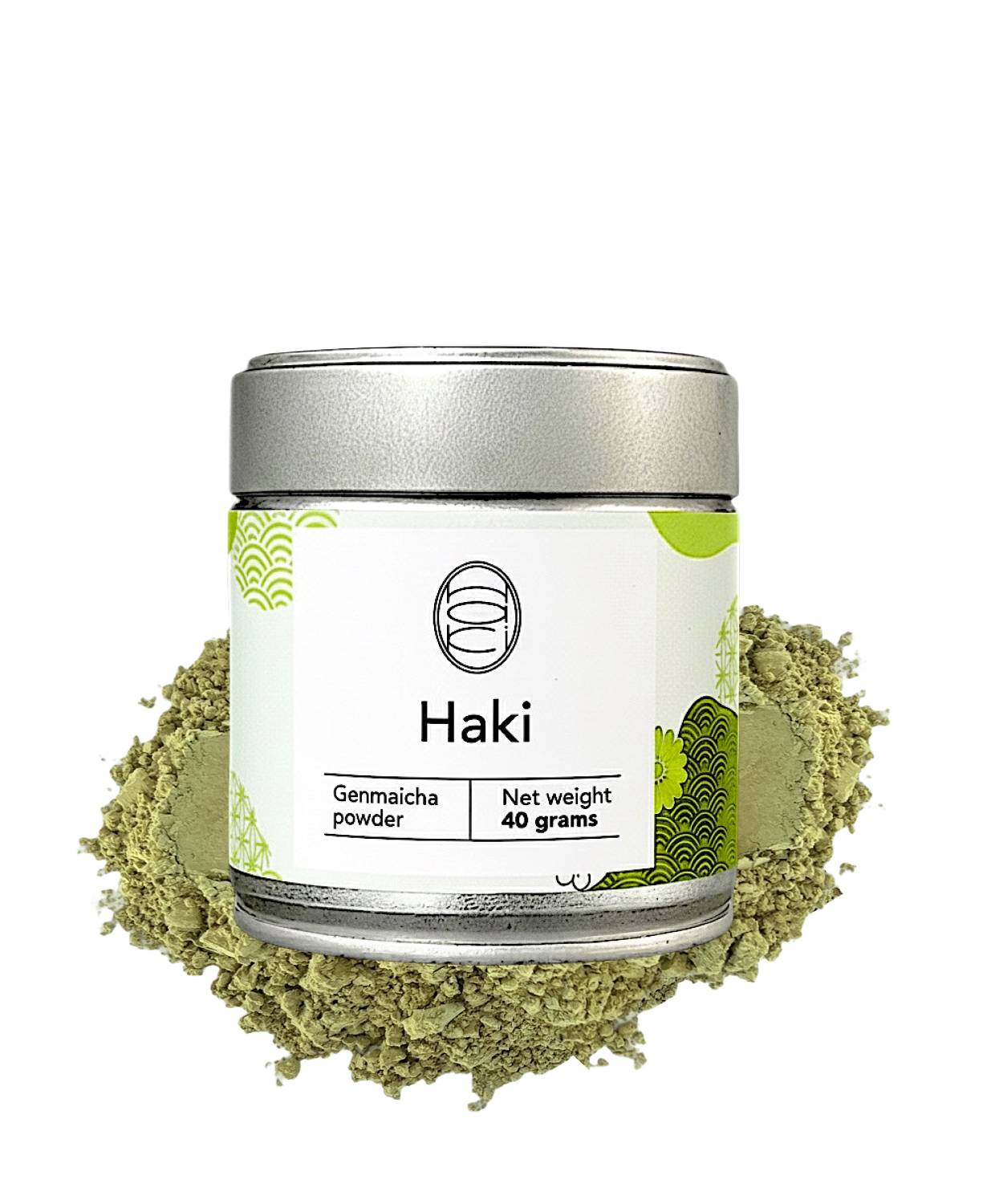
Both teas are versatile: you can enjoy them hot or cold, as loose leaf, bagged tea, or even as powder for whisking — genmaicha powder adds flexibility for a stronger cup while still being gentler than matcha.
Final Thoughts
Hojicha and genmaicha are two approachable, low-caffeine Japanese teas, each with its own personality:
Hojicha: Deep, roasted, smoky, and comforting. Very gentle caffeine.
Genmaicha: Nutty, lightly sweet, and soft. Mild caffeine with rice-diluted balance.
Trying both is the best way to discover your preference. Whether you’re sensitive to caffeine, want a relaxing evening tea, or simply enjoy gentle Japanese flavours, hojicha and genmaicha are perfect starting points.
If you enjoy exploring Japanese teas, consider trying both hojicha and genmaicha powders — they provide different strengths and brewing experiences while keeping caffeine low.
Are you interested to learn more ? Why not view our matcha vs hojicha vs genmaicha powders blog.

Taste
Body
Speciality
grown under shade from 21 to 28 days
Weight