Best ceremonial grade matcha. How to choose the right one?
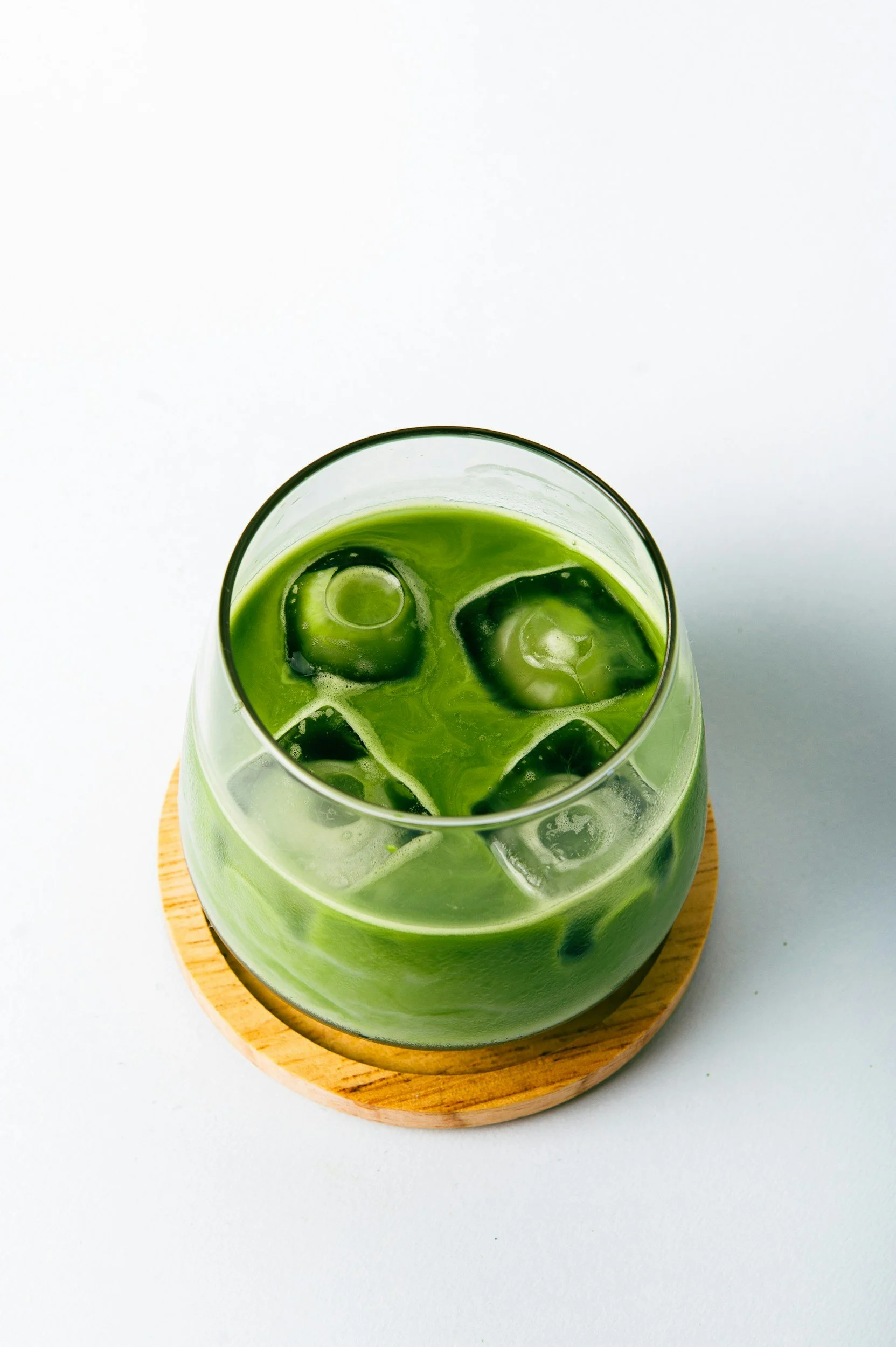
If you've ever searched for the best ceremonial grade matcha, you've probably come across dozens of brands all claiming to be the finest. The truth is that "ceremonial grade" isn't an officially regulated standard. Two matchas can both be labelled ceremonial yet taste completely different.
Rather than relying on marketing claims, it's far more helpful to understand what actually determines matcha quality. Once you know what to look for, choosing a great ceremonial matcha becomes much easier.
What makes a matcha ‘ceremonial grade’?
Although there's no legal definition, ceremonial grade generally refers to matcha made from young, shade-grown tea leaves that are carefully processed to create a smooth, vibrant and naturally sweet tea.
A high-quality ceremonial matcha should have:
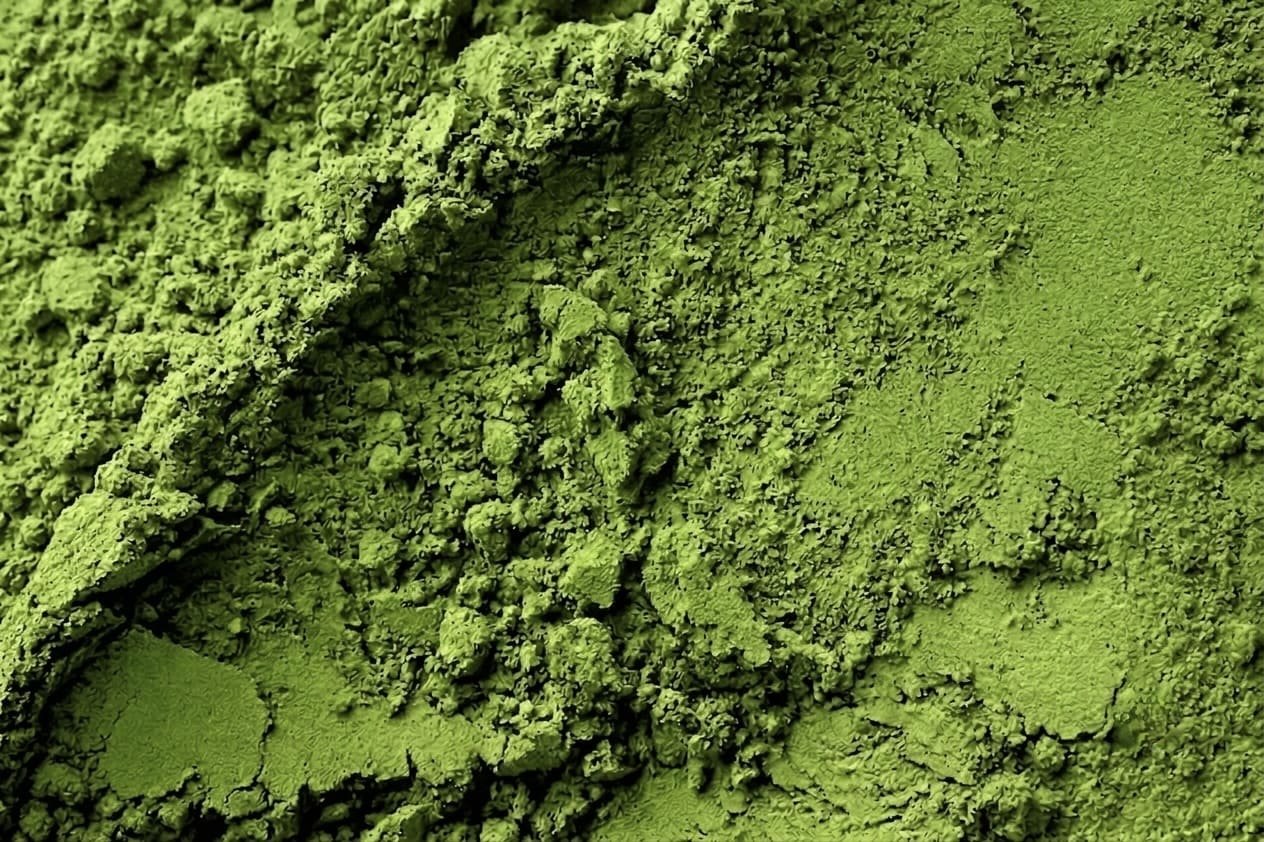
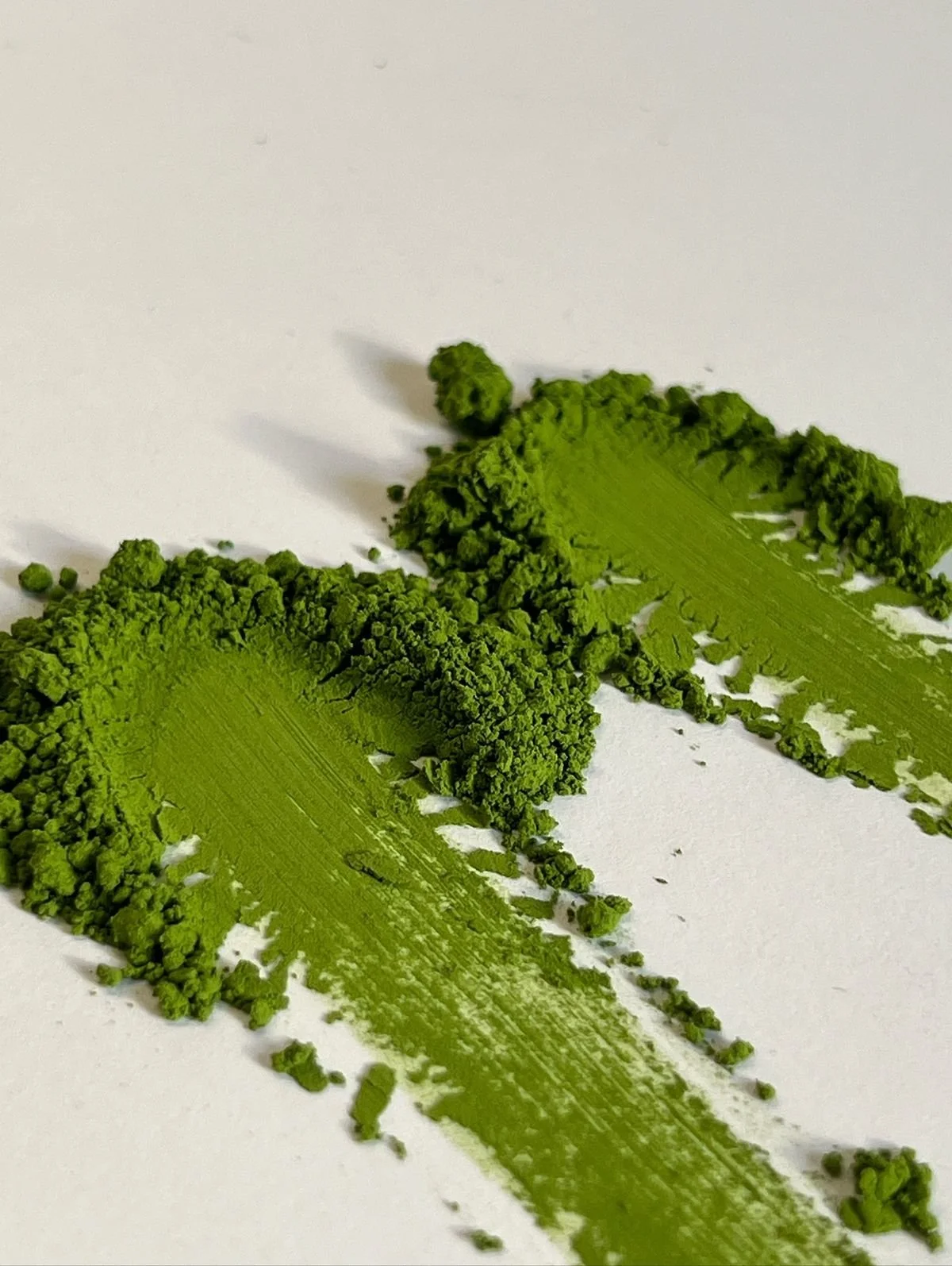
A bright, vibrant green colour.
A fresh grassy aroma with subtle sweetness.
Little to no bitterness.
A creamy texture.
A balanced umami flavour.
A fine, silky powder that whisks easily.
If a ceremonial matcha looks dull, tastes harsh or has a yellowish colour, it may simply be lower-quality tea marketed with premium wording.
For example Haki ceremonial grade matcha is always May harvest leaves that have been grown at least 21 and up to 28 days under the shadow.
Does the Harvest Season Matter?
Yes—but perhaps not in the way many people think.
The harvest influences flavour, sweetness and body, but later harvests aren't automatically bad. These are just less prized and might be used for different purposes. Each has its own character.

Spring (First Harvest)
Often considered the most prized harvest.
The tea plants have spent the winter storing nutrients, producing leaves that are naturally rich in amino acids. These compounds contribute to matcha's signature sweetness and umami.
Typical characteristics include:
Rich umami
Creamy texture
Natural sweetness
Minimal bitterness
Bright emerald colour
For traditional ceremonial matcha, first harvest leaves are generally preferred.
Summer (Second Harvest)
Second harvest matcha tends to develop a stronger vegetal character.
It usually contains slightly more catechins, resulting in a fresher, slightly more astringent flavour.
Many excellent everyday ceremonial matchas use second harvest leaves because they provide good balance while remaining more affordable.
Expect:
Fresh green flavour
Mild bitterness
Slightly less sweetness
Good value
Autumn Harvest
Autumn leaves are more mature and robust.
They generally produce a stronger, earthier flavour and are more commonly used for culinary matcha rather than premium ceremonial grades.
Typical characteristics include:
Stronger vegetal notes
More bitterness
Darker flavour
Better suited for lattes and baking
Which Region Produces the Best Matcha?
Japan has several famous tea-growing regions, each producing matcha with its own personality.
Rather than one region being objectively "best," each offers something slightly different.
Why Growing Region Matters
Tea plants are highly sensitive to their environment.
The best matcha is typically grown in regions that provide:
Frequent morning mist
Mineral-rich soil
Plenty of rainfall
Mild temperatures
Good drainage
Careful shade cultivation before harvest
These conditions encourage the tea plants to produce higher levels of amino acids such as L-theanine, while helping preserve the vibrant green colour that high-quality matcha is known for.
Does the Tea Cultivar Make a Difference?
Absolutely.
Just as different grape varieties create different wines, different tea cultivars produce noticeably different styles of matcha.
Okumidori
Okumidori is prized for its vibrant green colour and exceptionally smooth flavour.
Many tea drinkers appreciate it for its gentle sweetness and low bitterness, making it an excellent choice for those new to ceremonial matcha.
Flavour profile
Mild
Creamy
Sweet
Low bitterness
Samidori
Samidori has long been associated with premium matcha production in Kyoto.
It produces a rich, elegant cup with pronounced umami and a refined finish.
Flavour profile
Rich umami
Smooth
Elegant sweetness
Slight savoury depth
Yabukita
Japan's most widely grown tea cultivar.
Although commonly used for sencha, carefully produced Yabukita can also create excellent ceremonial matcha with a fresh, balanced flavour.
Flavour profile
Fresh
Vegetal
Balanced
Slight sweetness
Single Cultivar vs Blends
Many people assume single-cultivar matcha must be better.
In reality, some of Japan's finest matchas are expertly blended.
Master blenders combine different cultivars to create greater balance, consistency and complexity from one harvest to the next.
Single-cultivar matcha allows you to experience the unique personality of one tea plant variety, while blends are often crafted to deliver the smoothest and most harmonious cup possible.
Neither approach is inherently superior—it depends on the flavour profile you're looking for.
Other Signs of High-Quality Ceremonial Matcha
When comparing matcha, it's worth looking beyond the label.
Good ceremonial matcha is typically:
Stone ground into an ultra-fine powder.
Shade-grown for around three to four weeks before harvest.
Produced from carefully selected young leaves.
Bright green rather than olive or yellow.
Naturally sweet with little bitterness.
Freshly packed to preserve flavour.
How to Choose the Best Ceremonial Grade Matcha
If you're buying ceremonial matcha for drinking, prioritise:
First harvest leaves.
Japanese origin.
Vibrant green colour.
Smooth, naturally sweet flavour.
Reputable producers with transparent sourcing.
Don't worry too much about finding one "perfect" region or cultivar. The best ceremonial matcha is ultimately the one whose flavour matches your own preferences.

Taste
Body
Speciality
grown under shade from 21 to 28 days
Weight