What is sencha?
Summary:
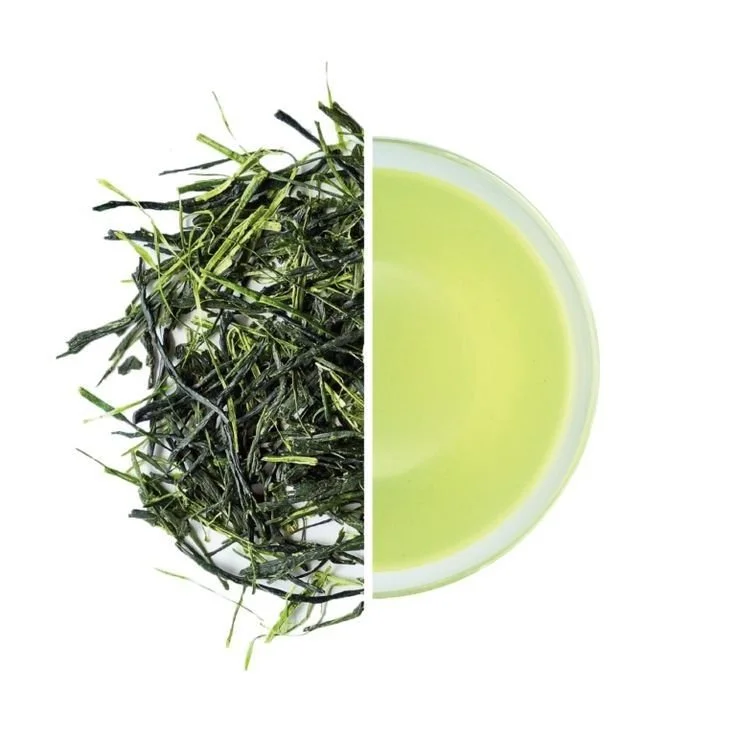
Sencha is Japan’s most popular green tea, known for its fresh grassy flavour and vibrant green colour
Kabuse Sencha is a partially shade-grown version of sencha with deeper umami and smoother sweetness
Both teas come from the same plant, but shading changes the flavour dramatically
Sencha feels brighter and fresher, while Kabuse Sencha tastes softer and richer
Popular across Japan for daily drinking and traditional tea culture
What is Sencha?
Sencha (煎茶) is the most widely enjoyed green tea in Japan.
Unlike roasted teas such as hojicha, sencha is known for its fresh, vibrant and slightly grassy flavour profile. It is made by steaming freshly harvested tea leaves to prevent oxidation, helping preserve their bright green colour and natural vegetal notes.
Depending on the harvest and processing style, sencha can taste:
fresh and grassy
lightly sweet
slightly umami
seaweed-like
crisp and refreshing
The tea is usually brewed with lower-temperature water to avoid bitterness and highlight its softer sweetness.
Across Japan, sencha is considered an everyday tea — enjoyed at home, during meals, or as part of slower tea rituals.
What does sencha taste like?
The easiest way to describe sencha is refreshing.
Compared with black tea or roasted teas, sencha feels lighter, greener, and more vibrant on the palate.
Common tasting notes include:
steamed greens
sweet grass
fresh spinach
sea breeze
light umami
soft sweetness
Higher quality sencha often develops a smoother mouthfeel and a longer lingering sweetness.
Lower quality or overbrewed sencha can become more bitter or astringent, which is why brewing temperature matters heavily.
Why people love sencha
Sencha has remained Japan’s most popular tea for centuries because it feels both energising and calming at the same time.
People love sencha for its:
refreshing flavour
clean finish
natural caffeine boost
vibrant aroma
everyday drinkability
connection to Japanese tea culture
For many tea drinkers, sencha becomes a daily ritual — something lighter and gentler than coffee, as sencha green tea caffeine level is lower than in an espresso for example but still energising.
How is sencha made?
After harvesting, sencha leaves are quickly steamed to stop oxidation.
This steaming process is one of the key differences between Japanese and many Chinese green teas. Instead of developing toasted or nutty notes, steaming preserves the tea’s fresh vegetal character.
The leaves are then:
rolled
shaped into thin needle-like strands
dried carefully to preserve aroma and flavour
The final result is the deep green loose leaf tea most people recognise as Japanese sencha.
What is Kabuse Sencha?
Kabuse Sencha (かぶせ煎茶) is a partially shade-grown version of sencha.
Before harvest, the tea plants are covered from sunlight for around 1 to 2 weeks. In Japanese, “kabuse” roughly translates to “covered” or “shaded.”
This shading process changes the chemistry of the tea leaves dramatically.
Because the leaves receive less sunlight, they retain higher levels of chlorophyll and amino acids such as L-theanine, leading to:
deeper umami
smoother sweetness
softer bitterness
richer green colour
Kabuse Sencha sits somewhere between traditional sencha and gyokuro in flavour and character.
What does Kabuse Sencha taste like?
Compared with regular sencha, Kabuse Sencha feels rounder, softer, and more umami-forward.
Expect flavours closer to:
sweet steamed greens
buttered spinach
light seaweed
soft umami broth
fresh edamame
subtle sweetness
The shading process reduces sharpness and creates a more luxurious mouthfeel with a longer lingering finish.
Many people describe Kabuse Sencha as calmer and more balanced compared with brighter everyday sencha.
Sencha vs Kabuse Sencha
Although both teas come from the same tea plant, the flavour experience can feel surprisingly different.
Sencha
A brighter everyday green tea with:
fresh grassy notes
crisp finish
more refreshing character
light umami
slightly more bitterness
Best for people who enjoy:
fresher green teas
lighter flavour profiles
refreshing everyday tea
cleaner sharper finish
Kabuse Sencha
A shaded green tea with:
deeper umami
softer sweetness
smoother finish
richer body
less bitterness
Best for people who enjoy:
smoother green teas
fuller body
more umami-rich flavour
calmer and more luxurious tea experiences
Why Kabuse Sencha has become increasingly popular
As specialty tea culture grows, more tea drinkers are discovering shaded Japanese teas beyond matcha.
Kabuse Sencha has become especially popular because it keeps the refreshing qualities of sencha while introducing the deeper umami and sweetness often associated with premium Japanese teas.
For many people, it feels like the perfect middle ground:
Fresh and vibrant like sencha, yet smoother and richer like gyokuro.

Taste
Body
Speciality
grown under shade from 21 to 28 days
Weight